Tattoo Removal Aftercare: Healing Day by Day and When to Call
Medical Director Dr Sin Yong explains what to expect after laser tattoo removal, how to care for blisters and scabs, and which signs mean you should call.
WhatsApp to Enquire →Key facts ↓Good tattoo removal aftercare means cooling the area, leaving blisters and scabs alone, keeping it clean and covered, and keeping it out of the sun. Most skin settles within one to two weeks; fading continues for weeks after.
- Blisters and swelling usually settle within a week: in a prospective picosecond study, pain resolved straight after treatment and swelling and blistering within one week [1].
- Pigment change can follow: the same study recorded lighter and darker patches of skin at the three-month follow-up [1], which is why sun protection continues between sessions.
- Serious problems were not seen in a 76-patient review: after eyebrow and eyeliner tattoo removal, no scarring, burns, prolonged redness, prolonged swelling or prolonged pigment change was documented [2].
- Downtime can be short: in six people treated for yellow ink with a 532 nm picosecond laser, downtime was minimal and no scarring or texture change was seen [3].
- Rushing the next session backfires: in 352 people, gaps of eight weeks or less between sessions were linked with a poorer response [4].
What is the right aftercare after laser tattoo removal?
Cool the area, keep it clean and covered, leave blisters and scabs alone, avoid soaking and heat for about a week, and keep it out of the sun.
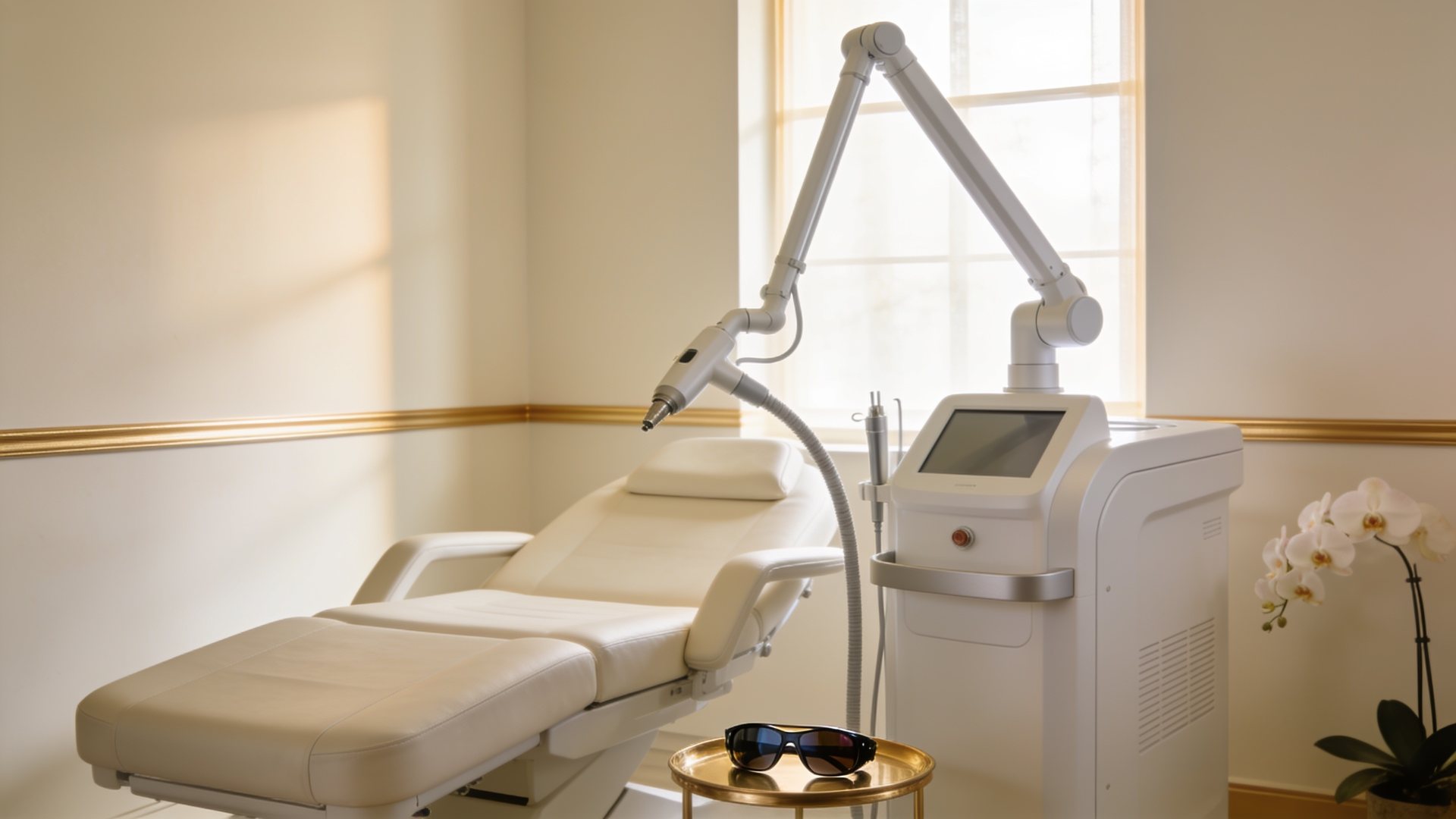
Aftercare is the part of tattoo removal in Singapore that you control. The laser breaks the ink; the following two weeks decide whether the skin heals smoothly. This guide follows a session on the DEKA TORO (Dr Sin Yong’s “T2 laser tattoo removal”) or the Fotona StarWalker PQX at IN Eternity Clinic; the healing pattern is similar for most short-pulse tattoo lasers [5]. Follow any specific advice you are given on the day, which takes priority over a general guide.
| Do | Avoid |
|---|---|
| Keep the dressing on for the time advised, then wash gently and pat dry | Scrubbing, exfoliating or using a loofah on the area |
| Apply the ointment you were given in a thin layer | Fragranced lotions, acids and retinoid creams until healed |
| Use a cold compress wrapped in a cloth for swelling | Ice directly on the skin |
| Leave blisters and scabs to settle on their own | Popping blisters or picking scabs |
| Wear loose clothing over the area | Tight straps, watches or shoes rubbing the area |
| Cover the area or use sunscreen once healed | Sunbathing, tanning or sunburn on the tattoo |
What happens day by day after tattoo removal?
The ink whitens for minutes, the area is red and swollen for a day or two, blisters may form by day three, light scabs follow, and the skin is usually closed within two weeks.
| When | What you may see | What to do |
|---|---|---|
| First minutes | Ink turns white (frosting), pinpoint bleeding, a hot, sunburn-like sting | Nothing; the frosting fades within about 20 minutes |
| Day 0 evening | Redness, swelling, raised skin over the ink, warmth | Cold compress, raise the area, keep the dressing on |
| Days 1–3 | Swelling peaks; clear or blood-tinged blisters, more on dense ink | Leave blisters intact; wash gently; thin ointment |
| Days 3–7 | Blisters flatten; thin scabs or crusts; itching | Do not pick; keep clean; avoid soaking and saunas |
| Week 2 | Scabs fall away; pink, shiny new skin; itch fades | Moisturise; start sunscreen on healed skin |
| Weeks 2–8 | Gradual fading as ink fragments are cleared | Sun protection; review before the next session |
In picosecond studies, swelling and blistering have usually resolved within a week [1]. Tattoos on the ankle, foot or hand often heal more slowly and swell more, because the circulation is poorer and the area is used constantly.
Why does a tattoo turn white after laser?
The white “frosting” is gas released in the skin as the ink absorbs the pulse. It is expected, it is not a burn, and it fades within about 20 minutes.
Frosting shows the ink was hit. It tends to be more marked on the first session and on dense black ink, and less as the tattoo fades. It needs no care of its own.
How long does swelling last after tattoo removal, and what helps?
Swelling usually peaks over the first one to two days and settles within about a week. Cooling and raising the area help most.
- A cold compress wrapped in a cloth, about 10 minutes at a time, several times on the first day.
- Raise the area: a pillow under an ankle tattoo, the arm on a cushion, an extra pillow for neck or brow work.
- Avoid alcohol, saunas, hot yoga and hard exercise for the first two to three days, because heat and blood flow add to swelling.
- Raised, hive-like skin over the ink for a day is a common reaction to the fragments; it is different from swelling that spreads or worsens after day three.
Should you pop blisters after tattoo removal?
No. Blisters protect the healing skin underneath. Leave them intact; if one bursts, wash gently, apply the ointment and cover it with a non-stick dressing.
Blisters are common after dense ink and on the first sessions; they do not mean the session went wrong. Opening a blister invites infection, and infection is one of the main routes to texture change [6]. A very large, tense or painful blister should be looked at by the clinic rather than drained at home.
What should you do about scabs and itching?
Let scabs fall off on their own and keep the skin moisturised. Itching is part of healing; pat or cool the area rather than scratching.
Thin scabs or crusts usually form from about day three and lift by the end of the second week. Picking them early can leave a pale or dark mark. If the itch keeps you awake, a cool compress helps. Itching that persists for weeks or is confined to one colour, especially red, can be an ink reaction and should be reviewed.
When can you shower, exercise or swim after tattoo removal?
Shower the next day with lukewarm water. Light exercise is usually fine after a day or two; swimming, the sea, saunas and hot tubs wait until the skin has fully healed.
| Activity | Usually | Why |
|---|---|---|
| Showering | From the next day, lukewarm, brief; pat dry | Hot water and long soaks soften blisters and scabs |
| Light exercise, walking | After a day or two | Heat and sweat add to swelling at first |
| Heavy sweating, contact sports | Once blisters and scabs have settled, often about a week | Friction and sweat irritate open skin |
| Swimming pool, sea, hot tub, sauna | Only once the skin is fully closed | Soaking raises infection risk |
| Make-up, fragranced products on the area | Once healed | Irritation of new skin |
| Shaving the area | Once healed | Avoid cutting blisters or scabs |
Why does sun protection matter between sessions in Singapore?
Sun on healing or recently treated skin can leave dark or light patches, and a tan forces gentler settings at the next session, which can add sessions.
Singapore’s UV index is high all year, and Asian skin tends to answer heat and inflammation with extra pigment. Lighter and darker patches have been recorded months after picosecond tattoo treatment [1]. Cover the treated area with clothing or a dressing while it heals, then use a broad-spectrum sunscreen and reapply it outdoors. Avoid tanning for at least two weeks before the next session. If marks do appear, they usually fade over months; see post-inflammatory pigmentation.
“Most marks that people blame on the laser are made in the fortnight afterwards: a blister opened, a scab picked, a healing tattoo taken to the beach. The laser session lasts minutes; the aftercare lasts two weeks.”
When should you call the clinic after tattoo removal?
Call the same day for spreading redness, increasing pain after day two, pus, fever, or a rash or hives beyond the treated area.
- Redness spreading outwards, warmth and increasing pain after the first two days: possible infection.
- Pus, a yellow crust that keeps growing, an unpleasant smell, or fever.
- A large, tense or very painful blister.
- Itching, raised bumps or thickened skin in the remaining ink, especially red, that does not settle.
- Hives, swelling of the face or lips, or difficulty breathing: call 995 or go to the nearest emergency department.
- A wound that has not closed after two weeks, or skin that becomes raised and firm weeks later.
IN Eternity Clinic patients: WhatsApp or call +65 8815 3008. Do not start medicines bought online on the area without advice. Concerns about marks or texture are covered in tattoo removal scarring.
What Dr Sin Yong looks for
- Whether the skin has fully healed since the last session, including any lingering pink or shiny areas.
- Lighter or darker patches that call for a longer gap or gentler settings.
- Texture change or firm, raised areas that need a different plan.
- Reactions confined to one ink colour, which can suggest an ink allergy.
- Recent sun or tanning on the area.
- How the ink faded since the last visit, compared with the first photographs.
General clinical observations used at consultation; they describe what is checked, not any individual result.
Frequently asked questions
How long does it take to heal after tattoo removal?
The skin is usually closed within one to two weeks; swelling and blisters typically settle within a week. Fading continues for weeks after that as ink fragments are cleared.
Should I cover my tattoo after laser removal?
Yes, at first. Keep the dressing on for the time advised, then use a non-stick dressing over blisters or where clothing rubs. Once healed, cover it from the sun or use sunscreen.
What cream should I use after tattoo removal?
Use the ointment you are given, in a thin layer, until the skin has healed, then a plain, fragrance-free moisturiser. Avoid acids, retinoid creams and fragranced products on the area until healed.
Is it normal for a tattoo to blister after laser?
Yes, especially on dense ink and in early sessions. Leave blisters intact. Call the clinic if a blister is very large, tense or painful, or if there are signs of infection.
Can I go in the sun after tattoo removal?
Keep the area covered while it heals and use sunscreen once healed. Sun on recently treated skin can leave light or dark patches, and a tan delays the next session.
When can I exercise after tattoo removal?
Light activity is usually fine after a day or two. Heavy sweating, contact sports and friction on the area wait until blisters and scabs have settled, often about a week.
Why is my tattoo itchy after laser removal?
Itching is part of healing and usually fades within two weeks. Persistent itching or bumps limited to one colour can be an ink reaction and should be reviewed.
Book an assessment
IN Eternity Clinic, 9 Scotts Road, #12-01 Pacific Plaza, Singapore 228210. By appointment with Medical Director Dr Sin Yong. Monday to Saturday, 11am to 8pm. WhatsApp or call +65 8815 3008. At IN Eternity Clinic a consultation fee applies, and it is waived if you go ahead with any medical treatment; the fee is S$120.
International KOL — CLASSYS · HIRONIC · DEKA · ALMA · FOTONA · LUTRONIC
References
- Saedi N, et al. Treatment of tattoos with a picosecond alexandrite laser: a prospective trial. Arch Dermatol 2012;148(12):1360-1363. doi:10.1001/archdermatol.2012.2894
- Kream E, Jairath N, Bajaj S, Orbuch D, Wang JV, Geronemus RG. Laser removal of eyeliner and eyebrow tattoos: chart review, experiences, and learnings. J Clin Aesthet Dermatol 2023;16(11):47-49. jcadonline.com
- Alabdulrazzaq H, et al. Clearance of yellow tattoo ink with a novel 532-nm picosecond laser. Lasers Surg Med 2015;47(4):285-288. doi:10.1002/lsm.22354
- Bencini PL, et al. Removal of tattoos by Q-switched laser: variables influencing outcome and sequelae in a large cohort of treated patients. Arch Dermatol 2012;148(12):1364-1369. doi:10.1001/archdermatol.2012.2946
- Kurniadi I, et al. Laser tattoo removal: fundamental principles and practical approach. Dermatol Ther 2021;34(1):e14418 (online 2020). doi:10.1111/dth.14418
- Ho SG, Goh CL. Laser tattoo removal: a clinical update. J Cutan Aesthet Surg 2015;8(1):9-15. doi:10.4103/0974-2077.155066
These sources describe mechanisms and general evidence. They are not a promise of any individual result; suitability is decided at an in-person assessment.