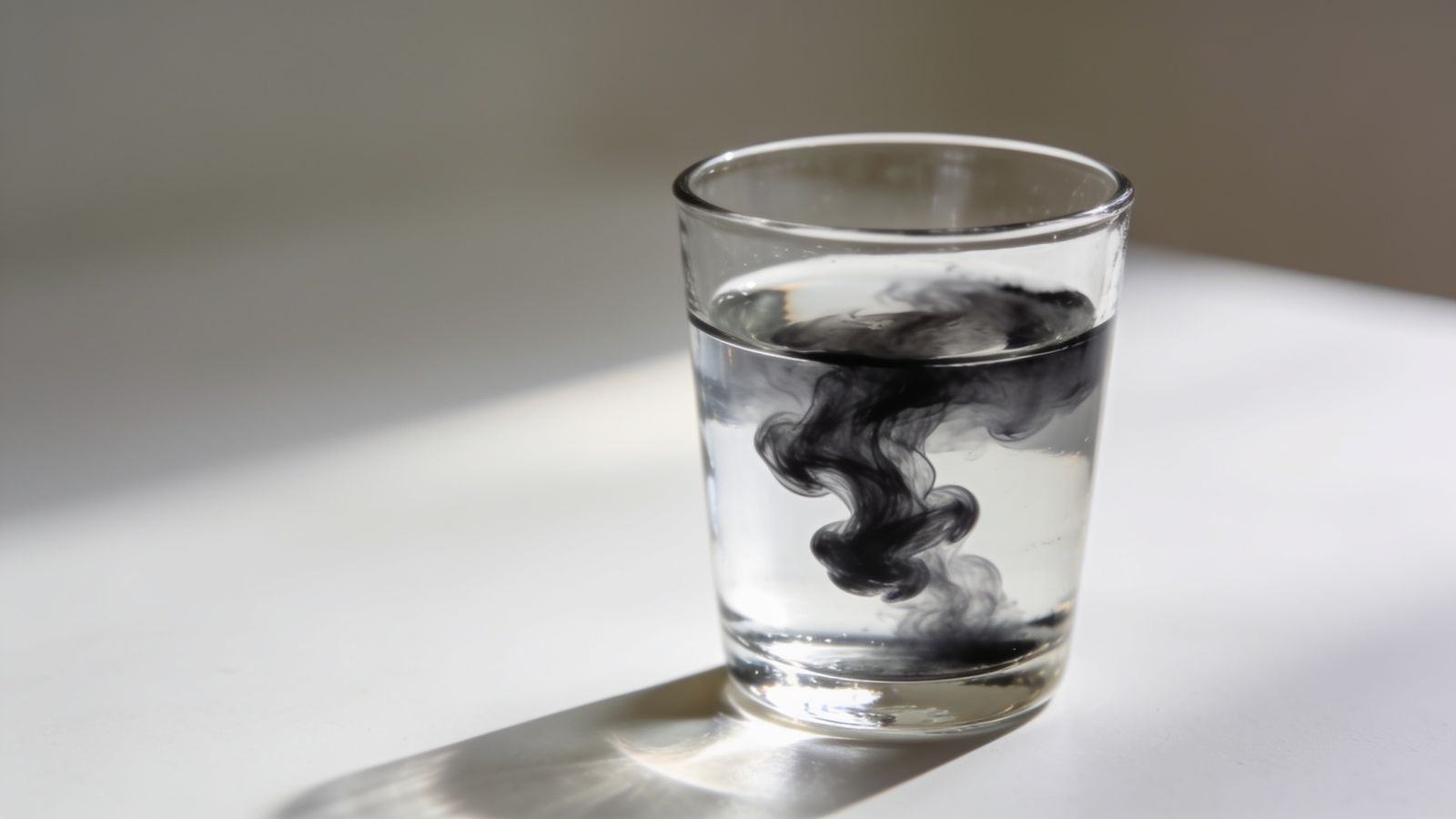
Laser tattoo removal breaks ink into fragments the body clears over weeks. At IN Eternity Clinic, wavelength and pulse are chosen for each ink colour and your skin type.
WhatsApp to Enquire →Key facts ↓Tattoo ink particles are too large for the body to remove. Very short laser pulses deliver energy faster than the particles can heat up, so they shatter into smaller fragments. Over the following weeks, immune cells carry the fragments away. Picosecond pulses, a thousand times shorter than nanosecond pulses, can break ink into finer fragments.

Ink colour, depth and density, the age of the tattoo, whether it was done professionally, its location on the body and your skin type all affect how quickly it fades. Dr Sin Yong assesses these, then selects wavelengths for each colour. Sessions are usually spaced several weeks apart so the skin can heal and clear ink between them.
For darker skin types, settings are chosen to protect the surrounding pigment and reduce the risk of light or dark patches.
“Tattoo removal is not erasing. It is breaking ink into pieces small enough for your body to carry away, one session at a time.”
Some cosmetic tattoo inks contain iron oxide or titanium dioxide, which can turn darker when hit by laser. A small test area is often treated first, and the plan is adjusted to what the skin shows.

Laser tattoo removal on the Fotona StarWalker or DEKA TORO is often described as a series of rubber-band snaps on the skin, with a sense of heat. Dense black ink, and tattoos over bony or thin-skinned areas such as the ankle, ribs and wrist, tend to feel the most. Cold air cooling is used throughout, and numbing cream can be applied beforehand for larger or more sensitive tattoos.
Treatment itself is quick: a small tattoo may take only a few minutes. Afterwards the area stings like sunburn and feels warm for a few hours; a cold compress helps. Protective eyewear is worn throughout, and cosmetic tattoos near the eyes or lips are approached with additional care and a test area first.
Each session follows the same healing pattern.
Cost depends on the size of the tattoo, the colours and density of ink, whether it is a professional, amateur or cosmetic tattoo, its location, and how many sessions it is likely to need. Because these vary widely, IN Eternity Clinic gives an estimate after assessing the tattoo at consultation, and progress is reviewed at each visit.
Yes, in most cases. The treated area is covered with a dressing and may be red, swollen or blistered for a few days. If it is on a visible area such as the hand or neck, you may want to keep it covered. Avoid swimming, saunas and heavy friction on the area until it has healed.
Often, yes. Some people fade an old tattoo so a cover-up design works better. The skin should be fully healed, and most tattoo artists prefer to wait some weeks after the last laser session. Discuss your plans at consultation so the number of fading sessions can be planned around them.
Many tattoos fade significantly, but complete clearance is not always possible, especially with certain colours, very dense ink or cosmetic tattoos.
The risk is low when settings are appropriate and aftercare is followed, but blistering, texture change and pigment change can occur. These are explained at consultation.
It varies widely with ink, depth, colour and skin type. An estimate is given after assessment, and progress is reviewed at each visit.
Often, but some cosmetic inks darken with laser, so a test area is usually treated first.
It feels like quick snapping on the skin. Cooling and numbing are used to keep it comfortable.
Green, blue-green, yellow and white inks tend to need more sessions; black usually responds most readily.
IN Eternity Clinic, 9 Scotts Road, #12-01 Pacific Plaza, Singapore. By appointment with Medical Director Dr Sin Yong. WhatsApp or call +65 8815 3008.
These sources describe mechanisms and general evidence. They are not a promise of any individual result; suitability is decided at an in-person assessment.