How Ultherapy Lifts: Three Depths
Ultherapy delivers focused ultrasound energy at three depths, one transducer at a time: 4.5 mm (SMAS layer), 3.0 mm (deep dermis) and 1.5 mm (superficial dermis). At each depth small thermal coagulation points are created, triggering a wound-healing response that leads to tissue contraction and new collagen. Reaching the SMAS, the support layer addressed in a surgical facelift, is what lets it tighten deeper tissue rather than only the skin.
Real-Time Visualisation
Ultherapy uses DeepSEE® ultrasound imaging to show the tissue layers before energy is placed, which helps confirm that each line is delivered at the intended depth and away from bone. Dr Sin Yong can show you the image during treatment so you can see which layer is being treated. Changes from day one to six months are set out in the Ultherapy results timeline.

Areas Ultherapy Can Treat
Lower Face & Jowls
Lift descended tissue along the jawline and jowl area for improved jaw definition and reduced jowling.
Brow & Upper Face
Lift the lateral brow for a more refreshed, open-eyed appearance and address forehead skin laxity.
Neck & Décolletage
Tighten the neck and address crepey skin on the décolletage — areas where Ultherapy has specific FDA clearance.
Mid-Face
Address early mid-face descent by tightening the SMAS; lost volume needs a different approach.
Submental Area
Improve the neck-chin transition and address early submental laxity for a more defined profile.
Eye Area
Target fine lines and skin laxity around the eyes with the 1.5mm superficial transducer.
The Treatment Process
Consultation
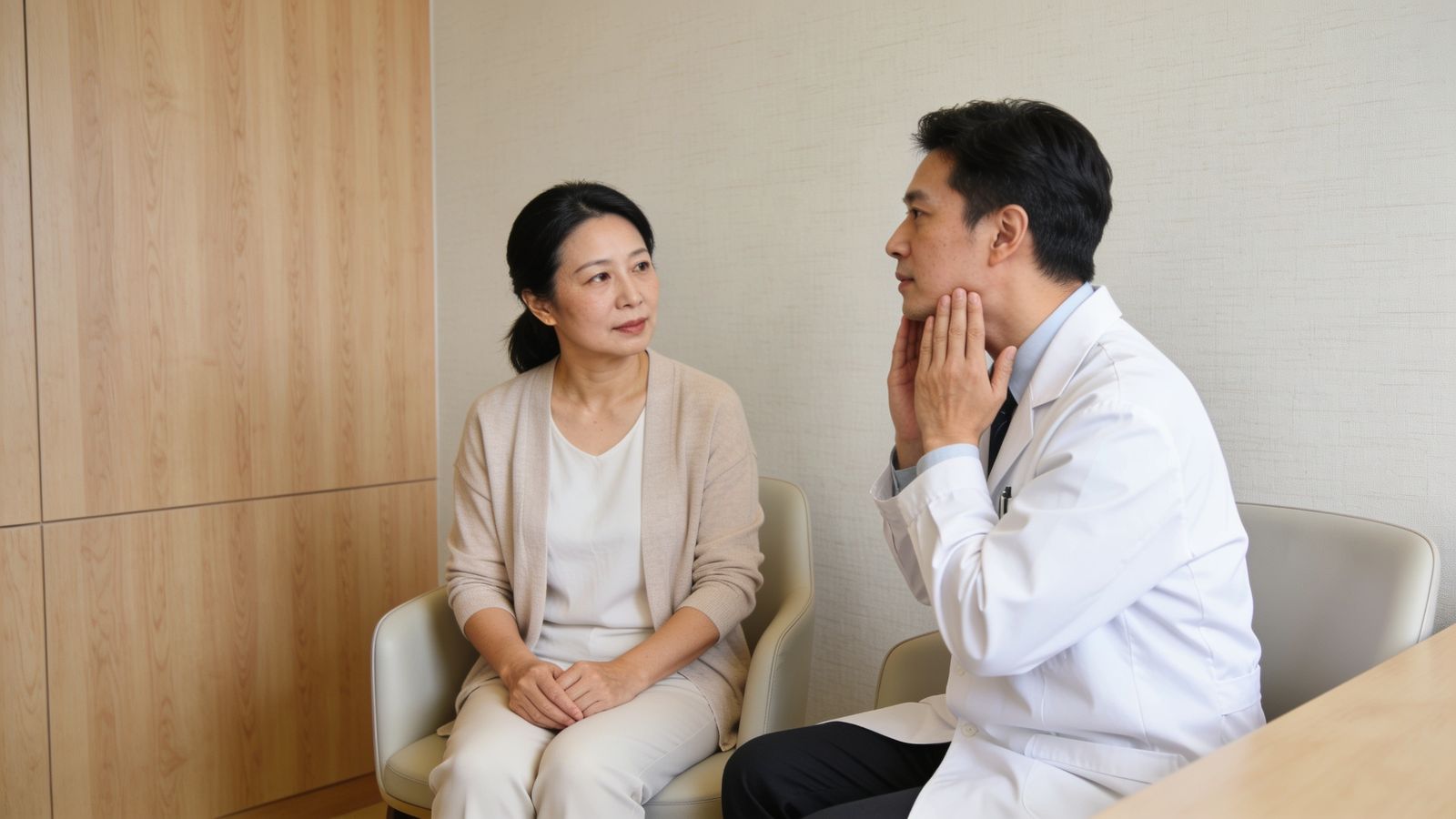
Dr Sin Yong assesses your skin laxity, tissue quality and goals to determine whether Ultherapy alone or in combination with other treatments is optimal for you.
Preparation
Skin is cleansed. A topical anaesthetic is applied for comfort. Ultrasound gel is applied to the treatment area.
Treatment
Focused ultrasound energy is delivered using multiple transducers. Dr Sin Yong monitors depth and placement using real-time DeepSEE® imaging throughout.
Little Downtime
Treatment takes 60–90 minutes depending on the area treated. Most people return to normal activities the same day. Mild redness or tingling usually settles within hours.