Skip to content
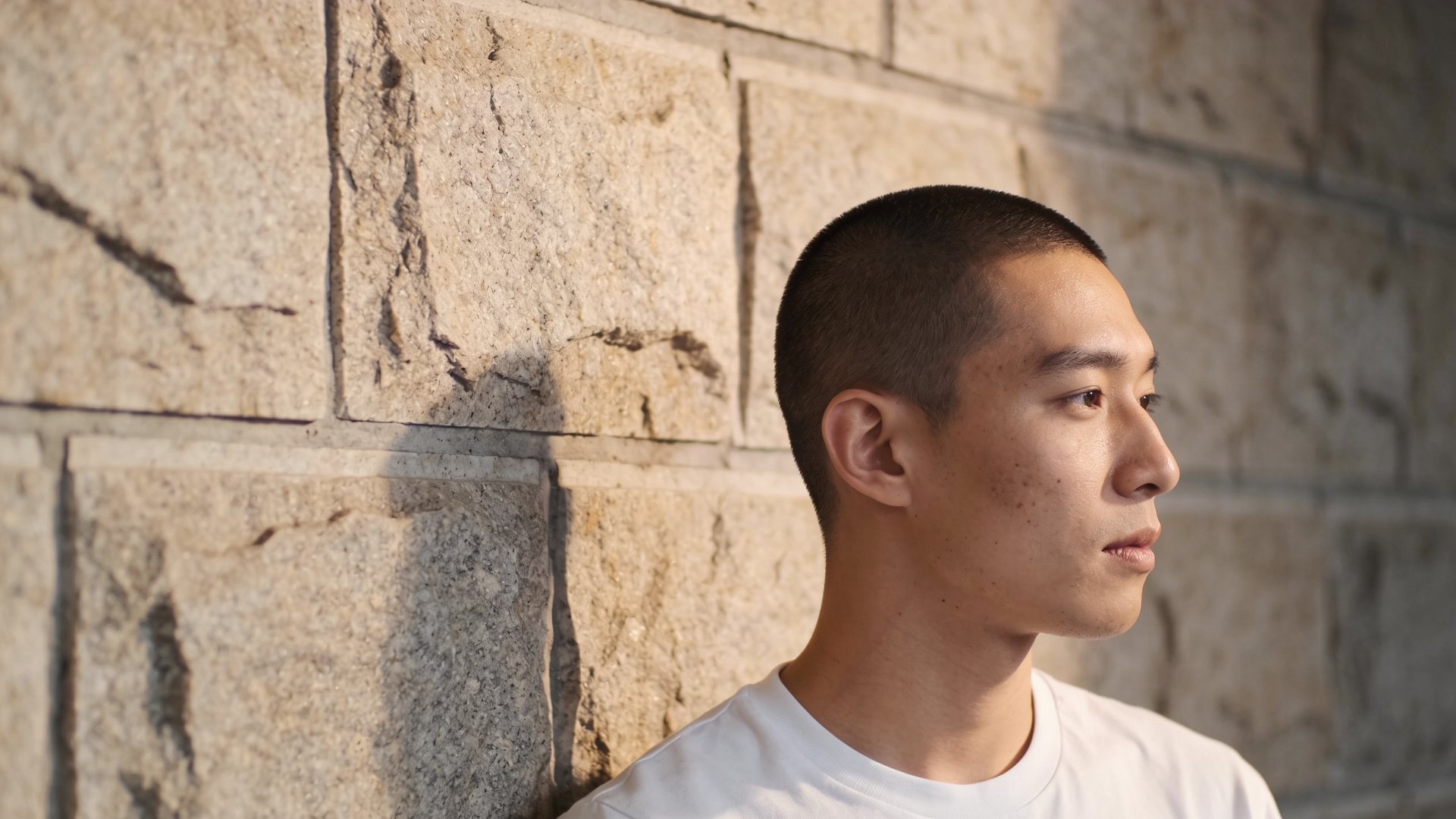
East Asian man in his late twenties with smooth cheek skin in soft side light, representing TCA CROSS for ice-pick acne scars at IN Eternity Clinic, Singapore
TCA CROSS · Ice-Pick Scars · Chemical Reconstruction · Orchard Road

TCA CROSS Singapore

Treating the bottom of the scar, not the rim.

TCA CROSS places high-strength trichloroacetic acid inside individual ice-pick scars so they fill with new collagen. At IN Eternity Clinic, Dr Sin Yong selects each scar and applies it.

WhatsApp to Enquire →Key facts ↓
Ice-pick
Main target
3–6
Typical sessions
~1 week
Crusts settle
Doctor-applied
Scar by scar
Assessed and planned by Dr Sin Yong, Medical Director · MBBS (NUS) · MRCS (Edinburgh) · MSc Aesthetic Medicine (London) · MSc Practical Dermatology (Cardiff) · Designated DEKA Centre of Excellence
In short

TCA CROSS places high-strength trichloroacetic acid inside individual narrow acne scars, mainly ice-pick and narrow boxcar scars, so their walls heal with new collagen and the scars become shallower. It is typically 3 to 6 sessions depending on severity, four to six weeks apart, with about a week of small crusts each time. It is often combined with fractional CO2 or subcision. Dr Sin Yong maps scar types first.

Reviewed by Dr Sin Yong, Medical Director, IN Eternity Clinic · Updated
Key facts
  • What it is: Chemical Reconstruction of Skin Scars: high-strength TCA applied only inside individual narrow scars.
  • Scars it suits: ice-pick and narrow boxcar scars; not rolling or raised scars.
  • Sessions: typically 3–6, depending on severity, spaced about 4–6 weeks apart.
  • Downtime: small dark crusts for about 5–7 days, then fading pinkness.
  • Asian skin: pigment risk is lower than with full peels but managed with sun protection and precise application.
  • Where: IN Eternity Clinic, 9 Scotts Road, #12-01 Pacific Plaza, Singapore.
The basics

What is TCA CROSS?

TCA CROSS stands for Chemical Reconstruction of Skin Scars using trichloroacetic acid. Instead of peeling the whole face, a high concentration of TCA is placed only inside individual narrow scars, one at a time, with a fine applicator. The acid causes a controlled injury to the walls and floor of the scar. As that injury heals, new collagen fills the shaft from below, so the scar becomes shallower and its opening narrower.

Because the acid touches only the scar and not the skin around it, the strength can be far higher than in a conventional peel, while healing time stays short. The technique was described for acne scars in 2002 and is now a standard tool for ice-pick scars, which most other treatments reach poorly. At IN Eternity Clinic it is one part of a scar plan matched to scar type, set out in full on acne scar treatment Singapore.

Scar types

Which acne scars does TCA CROSS treat?

TCA CROSS works on scars that are narrow and deep. It is far less useful for broad, shallow dips. Most faces have a mix of scar types, which is why it is usually combined with other steps.

Scar types are mapped at assessment in side lighting.
Scar typeWhat it looks likeRole of TCA CROSSUsually combined with
Ice-pickNarrow, deep, pin-like openings, often on the cheeksMain treatmentFractional CO2 later to blend the surface
Narrow boxcarSmall scars with steep walls, under about 2–3 mmUseful, especially for deeper onesFractional CO2 or RF microneedling
Wide boxcarBroad scars with steep edgesLimited; risk of wideningResurfacing, subcision if tethered
RollingSoft-edged waves pulled down by fibrous bandsNot suitableSubcision, collagen stimulation
Raised (hypertrophic, keloid)Firm, above the surfaceNot suitableSee keloid treatment

If you are unsure which types you have, acne scar types explained describes how they look. Raised scars are handled quite differently; see keloid and hypertrophic scar treatment.

Technique

How TCA CROSS is done, step by step

Precision matters more than strength. Acid that spreads onto surrounding skin causes a wider peel and raises the risk of pigment change, while acid placed in a scar that is too wide can enlarge it. This is why the doctor selects the scars and does the application.

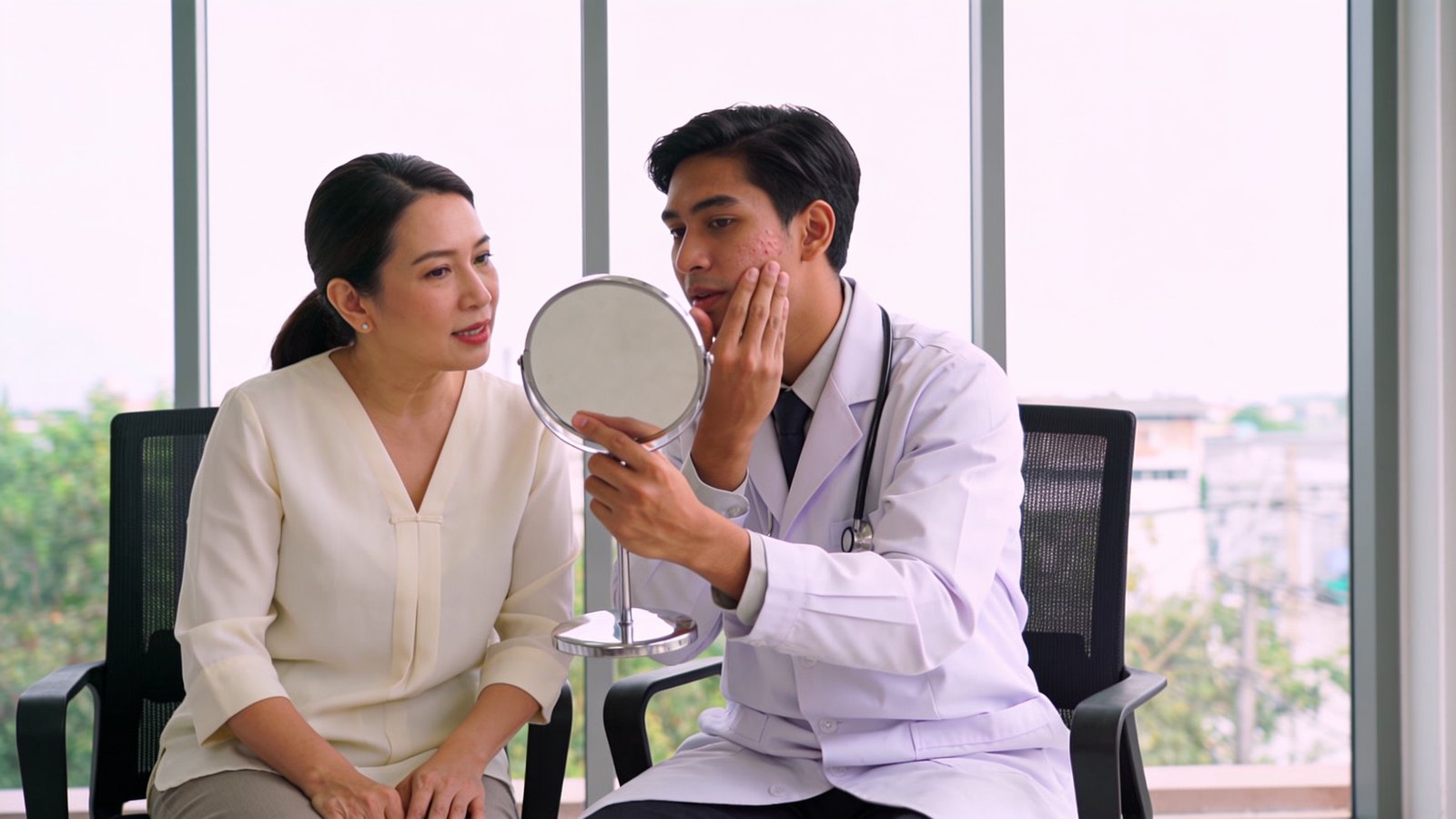
A doctor holding a hand mirror so a patient can see her cheek during an acne scar consultation
Illustrative image. Not a patient of IN Eternity Clinic.
Sessions

How many TCA CROSS sessions do you need?

TCA CROSS is a series, not a single treatment. It is typically 3–6 sessions, depending on how deep and how numerous the scars are, spaced usually four to six weeks apart so that each round of collagen can settle before the next. Shallow ice-pick scars may need fewer; deep, long-standing ones may need more, or a combination with other methods.

Change is gradual. After each session a scar becomes a little shallower, and the improvement builds over the series and for some months afterwards as collagen matures. Progress is judged on photographs taken in the same light at each visit, not on how the skin looks in the first week.

Downtime

TCA CROSS downtime: what to expect, day by day

Typical course. Recovery varies with the number of scars treated and your skin type.
WhenWhat usually happensWhat to do
Day 0White frost on each treated scar fades within hours; mild sting and rednessGentle cleanser and ointment; no make-up on treated spots
Days 1–3Treated points darken into small brown dots or crustsDo not pick; keep moisturised; strict sun protection
Days 5–7Crusts flake off, leaving pink spotsMake-up can usually resume once crusts have come away
Weeks 2–6Pinkness fades gradually; collagen continues to remodelDaily sunscreen; next session at about 4–6 weeks

Because only scattered points are treated, most people return to work the next day, with small dots visible at close range for about a week. Avoid swimming pools, saunas and strenuous sweaty exercise for a few days while crusts are present, which in Singapore also means avoiding long periods outdoors in the midday heat.

“An ice-pick scar is a well, not a dent. A laser skims the rim; TCA CROSS works at the bottom of the well.”
— Dr Sin Yong, Medical Director, IN Eternity Clinic
Asian skin

Is TCA CROSS safe for Asian skin? Pigmentation risk and how it is managed

The main risk in skin types III to V is post-inflammatory hyperpigmentation: a brown spot at a treated scar that can take weeks to months to fade. Because TCA CROSS treats tiny points rather than whole areas, the risk is lower than with medium-depth peels, and studies in darker skin types have reported the technique as well tolerated. Lower is not none, however.

Other risks include temporary redness, lighter spots, infection if crusts are picked and, rarely, widening of a scar. People who form keloids, have active acne or infection at the site, or have recently taken isotretinoin (a prescription medicine) are assessed with particular care; see laser and procedures after acne tablets.

Combinations

TCA CROSS with CO2 laser and subcision: why combine them?

Each method reaches a different part of a scar. TCA CROSS works inside narrow shafts. Subcision releases the fibrous bands that tether rolling scars from below. Fractional CO2 on the DEKA Tetra Pro, used in the clinic’s S3 Resurfacing protocol, softens scar edges and blends surface texture. None replaces the others, so mixed scarring is usually planned as a sequence.

A common order is TCA CROSS first for ice-pick scars, then resurfacing to even the surface once those have improved; see the Tetra CO2 laser for acne scars. Within 4D Scar Reconstruction, Dr Sin Yong’s layered protocol, TCA CROSS can be planned in the same session as subcision, collagen stimulation and fractional resurfacing, so that depth, tethering and surface are addressed together.

Alternatives

TCA CROSS vs other treatments for ice-pick scars

Which applies depends on how many scars there are, their width and depth, and your skin type. Many plans use TCA CROSS for some scars and another method for the rest.

A young woman applying sunscreen to her cheek in the shade of a tree on a bright Singapore day
Illustrative image. Not a patient of IN Eternity Clinic.
Cost

How much does TCA CROSS cost in Singapore?

Cost depends on how many scars are treated per session, how many sessions are needed and whether TCA CROSS is part of a combined plan with subcision or laser. At IN Eternity Clinic the plan and its cost are set out after assessment, before anything is agreed, and the consultation fee is waived with any medical treatment. The factors are explained in acne scar removal cost in Singapore.

Questions

Frequently asked questions

What does TCA CROSS stand for?

Chemical Reconstruction of Skin Scars using trichloroacetic acid. A high-strength acid is placed only inside individual narrow scars, so the walls heal with new collagen and the scar becomes shallower over a series of sessions.

How many TCA CROSS sessions will I need?

Typically 3 to 6 sessions depending on severity, spaced about four to six weeks apart. Shallow ice-pick scars may need fewer and deep, long-standing ones more, sometimes combined with laser or subcision.

Is TCA CROSS painful?

Most people feel a brief sting in each scar that settles within a minute or two. Numbing is usually not needed because the acid is applied to tiny points. Afterwards the skin may feel mildly tender for a day.

How long is the downtime after TCA CROSS?

Treated scars frost white, then form small dark crusts that come off in about five to seven days, leaving pink spots that fade over a few weeks. Most people return to work the next day.

Can TCA CROSS cause pigmentation?

It can, particularly in darker skin types, as brown spots at treated scars that usually fade over weeks to months. Precise application, sun protection around each session and early review reduce the risk.

Is TCA CROSS better than laser for ice-pick scars?

For narrow, deep ice-pick scars, TCA CROSS reaches the base of the scar, which lasers rarely do. Lasers are better at evening the surface and softening scar edges. The two are often combined, each for the scars it suits.

When will I see results from TCA CROSS?

Change builds gradually. Scars become a little shallower after each session, and improvement continues for months after the series as collagen matures. Progress is compared on photographs taken in the same light.
Related at IN Eternity: Acne scar treatment Singapore · Subcision · 4D Scar Reconstruction · Tetra CO2 for acne scars · Scar removal Singapore · RF microneedling

Book an assessment

IN Eternity Clinic, 9 Scotts Road, #12-01 Pacific Plaza, Singapore 228210. By appointment with Medical Director Dr Sin Yong. Monday to Saturday, 11am to 8pm. WhatsApp or call +65 8815 3008. The consultation fee is waived with any medical treatment.

WhatsApp to Enquire →Call +65 8815 3008
S
Dr Sin Yong
MBBS (NUS) · MRCS (Edinburgh) · MSc Aesthetic Medicine (London) · MSc Practical Dermatology (Cardiff)
International KOL — CLASSYS · HIRONIC · DEKA · ALMA · FOTONA · LUTRONIC

References

  1. Lee JB, Chung WG, Kwahck H, Lee KH. Focal treatment of acne scars with trichloroacetic acid: chemical reconstruction of skin scars method. Dermatol Surg 2002;28(11):1017-1021. doi:10.1046/j.1524-4725.2002.02095.x
  2. Khunger N, Bhardwaj D, Khunger M. Evaluation of CROSS technique with 100% TCA in the management of ice pick acne scars in darker skin types. J Cosmet Dermatol 2011;10(1):51-57. doi:10.1111/j.1473-2165.2010.00526.x
  3. Jacob CI, Dover JS, Kaminer MS. Acne scarring: a classification system and review of treatment options. J Am Acad Dermatol 2001;45(1):109-117. doi:10.1067/mjd.2001.113451
  4. Fabbrocini G, Annunziata MC, D'Arco V, et al. Acne scars: pathogenesis, classification and treatment. Dermatol Res Pract 2010;2010:893080. doi:10.1155/2010/893080
  5. Davis EC, Callender VD. Postinflammatory hyperpigmentation: a review of the epidemiology, clinical features, and treatment options in skin of color. J Clin Aesthet Dermatol 2010;3(7):20-31. PMID 20725554
  6. Singapore Medical Council. Guidelines on Aesthetic Practices for Doctors (2016 edition). healthprofessionals.gov.sg/smc

These sources describe mechanisms and general evidence. They are not a promise of any individual result; suitability is decided at an in-person assessment.

WhatsApp us