Skip to content
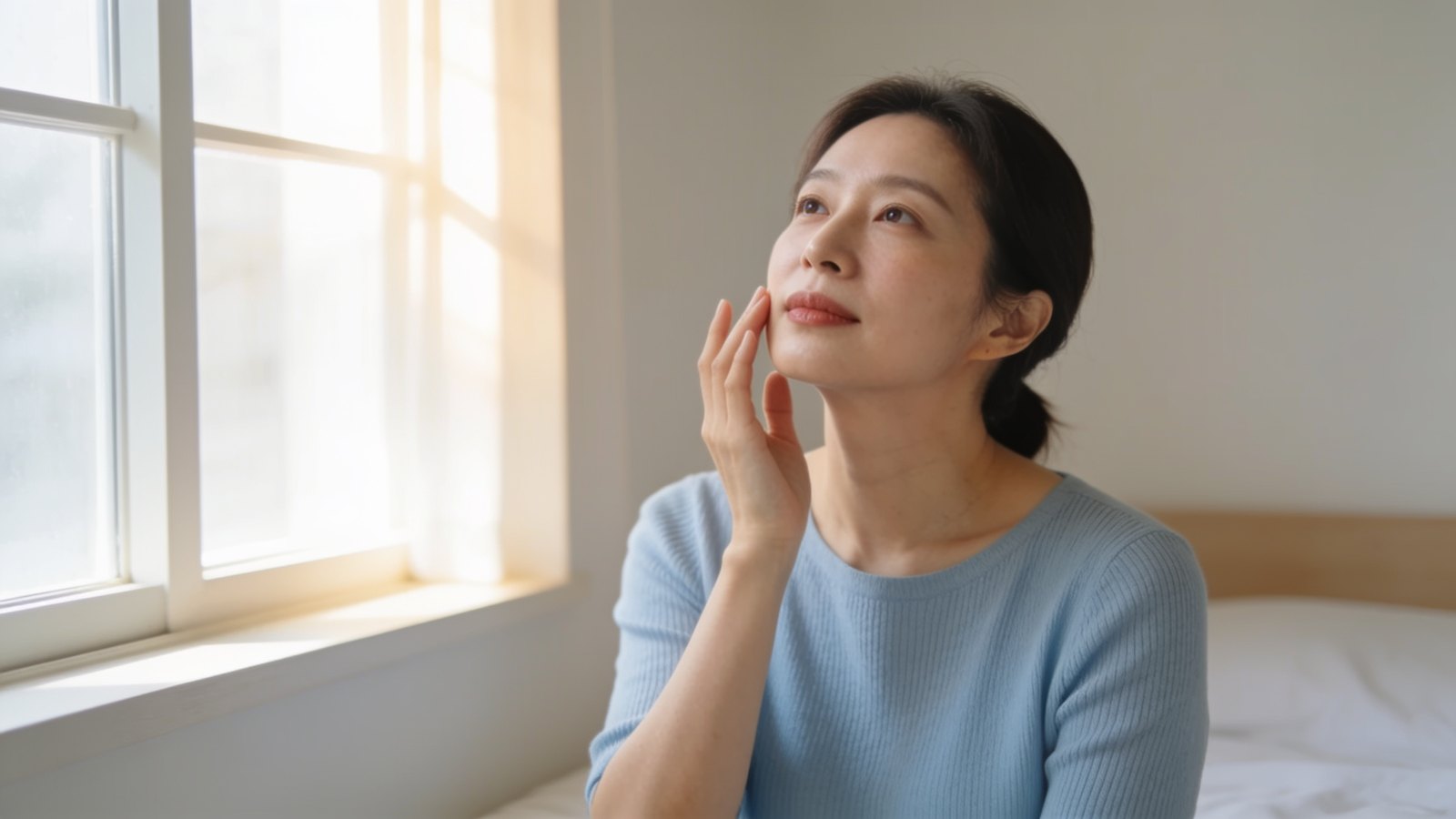
An East Asian woman in her thirties with healthy, hydrated skin in soft window light, illustrating polynucleotide skin boosters at IN Eternity Clinic
Skin Boosters · Polynucleotides · Rejuran · Plinest · Orchard Road

Polynucleotide Skin Booster: PN vs PDRN Explained

Repair and quality, not volume.

Polynucleotide boosters such as Rejuran and Plinest support skin that needs to recover. Medical Director Dr Sin Yong explains PN versus PDRN, the evidence, and who they suit.

WhatsApp to Enquire →Key facts ↓
PN
Long-chain DNA gel
PDRN
Shorter fragments
3–4
Sessions in many courses
No volume
Skin quality only
Assessed and planned by Dr Sin Yong, Medical Director · MBBS (NUS) · MRCS (Edinburgh) · MSc Aesthetic Medicine (London) · MSc Practical Dermatology (Cardiff) · Designated DEKA Centre of Excellence
In short

A polynucleotide (PN) skin booster is an injectable gel of purified fish DNA fragments placed in the dermis to support repair, hydration and thickness in thin, crepey or sensitised skin. PDRN is a related, shorter-fragment form. Rejuran and Plinest are PN boosters used at IN Eternity Clinic. Most courses are three or four sessions weeks apart. They improve skin quality, not volume.

Reviewed by Dr Sin Yong, Medical Director, IN Eternity Clinic · Updated
Key facts
  • What it is: an injectable gel of long-chain polynucleotides purified from fish DNA, placed in the dermis.
  • PN vs PDRN: both from fish DNA; PN is long chains forming a gel, PDRN shorter fragments in a thinner liquid.
  • At IN: Rejuran (Healer, HB, S, Eye) and Plinest (including Plinest Eye), chosen at assessment.
  • Suits: thin, crepey, sensitised or post-acne skin; under-eye skin; the neck.
  • Does not: add volume, lift, or remove pigment.
  • Side effects: small bumps for a day or two, redness, occasional bruising; fish allergy assessed first.
  • Consultation: S$120, waived with any medical treatment. IN Eternity Clinic, 9 Scotts Road, #12-01 Pacific Plaza.
The basics

What is a polynucleotide skin booster?

A polynucleotide (PN) skin booster is an injectable gel made of long chains of DNA fragments, purified from fish such as salmon or trout, placed in small amounts in the dermis. It is used to support skin repair, hydration and thickness in skin that is thin, crepey, sensitised or slow to recover, and around the eyes where skin is thinnest. It does not add volume or change the shape of the face.

“Salmon DNA” is the popular name, and it causes some worry. The material is a purified mixture of DNA fragments; it does not enter your cells’ genetic material or change your own DNA. The fragments are thought to act as signals in the tissue: laboratory and wound-healing studies of the shorter fragments (PDRN) show effects on inflammation and repair through adenosine A2A receptors, and the longer PN chains also act as a hydrating, viscous scaffold in the dermis.

At IN Eternity Clinic the polynucleotide boosters used are Rejuran and Plinest, chosen after assessment. The background science is covered in more depth in PDRN explained.

PN vs PDRN

PN vs PDRN skin booster: what is the difference?

PN and PDRN are related, not identical. Product names and labelling vary between markets.
PN (polynucleotides)PDRN (polydeoxyribonucleotide)
SourcePurified fish DNAPurified fish DNA
Chain lengthLong chainsShorter fragments
Physical formA viscous gel that stays in the dermis for longerA thinner liquid
Main proposed actionHydrating scaffold plus repair signallingRepair and anti-inflammatory signalling via adenosine A2A receptors
Examples in aestheticsRejuran (labelled PN); Plinest (PN-HPT)Products sold as “PDRN boosters”; PDRN also appears in skincare
Topical versionsSerums exist; they act mainly on the surfaceSerums exist; they act mainly on the surface

People searching for a “PDRN skin booster” usually mean the injectable salmon DNA treatments, which in Singapore are mostly PN products such as Rejuran. The distinction matters less than two practical questions: is the product registered with the Health Sciences Authority for injection, and is it right for your skin? Serums containing PN or PDRN can feel pleasant, but a molecule of that size does not travel through intact skin into the dermis in any useful amount.

Rejuran and Plinest

Rejuran vs Plinest: the two PN boosters used at IN Eternity Clinic

Both are polynucleotide boosters with overlapping uses; the choice is made at assessment.
RejuranPlinest
Maker and originKorean; polynucleotides from salmon DNAItalian (Mastelli); polynucleotides from fish DNA, PN-HPT
VersionsHealer (overall skin quality), HB (with hyaluronic acid and a local anaesthetic), S (thicker, for depressed acne scars), Eye (thinner, for under-eye skin)Plinest (face, neck), Plinest Eye (periorbital)
Typical aimsTexture, thin or tired skin, acne-scar texture, under-eyesThin, crepey or sensitised skin; under-eyes; neck
CourseUsually a few sessions weeks apart, then maintenanceUsually three or four sessions a few weeks apart, then maintenance
Fish allergySpecific assessment neededSpecific assessment needed

Neither is simply better. The choice depends on the area, skin thickness, sensitivity, whether acne scarring is part of the plan, and how your skin has responded before. A detailed side-by-side is in Plinest vs Rejuran.

A Korean woman in her thirties living in Singapore touching her cheek gently in soft morning light, her whole face and head in frame
Illustrative image. Not a patient of IN Eternity Clinic.
Evidence

What does the research say about polynucleotide boosters?

The evidence for polynucleotides is growing but still modest in size. A 2021 Italian consensus report on highly purified polynucleotides (PN-HPT) described their use for skin quality, the periorbital area and scars, based on the experience of practitioners and the available studies. A 2024 review of polynucleotides in aesthetic medicine summarised current practice and perceived effectiveness, and called for larger controlled trials.

Controlled data exist for specific uses. A prospective, randomised exploratory study compared PN-HPT with cross-linked hyaluronic acid for moderate to severe nasolabial folds and reported improvement with both. A small case series of long-chain polynucleotide injections for skin rejuvenation described improvements in texture and fine lines, and recorded short-lived side effects. For PDRN, a pharmacology review sets out the laboratory and clinical data on tissue repair, much of it from wound healing rather than aesthetics.

The honest summary: polynucleotides have a plausible mechanism, a reasonable safety record and supportive but limited aesthetic trials. They are one tool for skin quality, chosen for skin that needs to recover, not as a cure-all.

Choosing a booster

Polynucleotide vs other skin boosters

Many plans combine two types in sequence. The full range is explained in skin boosters in Singapore.
Booster typeWhat it mainly doesSuitsNot for
Polynucleotide (Rejuran, Plinest)Supports repair, hydration and thicknessThin, crepey, sensitised or post-acne skin; under-eyesVolume loss; people with fish allergy without specific assessment
Hyaluronic acid boosterDraws water into the dermisDehydrated, dull skin; fine surface linesVery thin skin needing repair
ProfhiloSpreads hyaluronic acid widely; supports laxity and hydrationEarly laxity with drynessPrecise contouring
PDLLA (Juvelook)Prompts collagen over monthsTexture, pores, shallow scarsImmediate change
Needle-free boosterHydrating ampoule carried in by ultrasound deliveryPeople who prefer no injectionsResults equal to injected boosters

See skin boosters in Singapore for how each family is used, and skin booster types compared for the evidence behind each.

“A polynucleotide booster does not fill anything. It is chosen for skin that needs to recover, not for a face that needs volume.”
— Dr Sin Yong, Medical Director, IN Eternity Clinic
What happens

Polynucleotide booster treatment: what to expect

Rejuran aftercare is set out day by day in Rejuran downtime and aftercare; the same principles apply to Plinest.

At assessment

What Dr Sin Yong looks for

  • Skin thickness and quality. Thin, crepey or sensitised skin is where polynucleotides tend to help most.
  • Whether the real issue is volume or laxity. If so, a booster alone will disappoint, and a different treatment is discussed.
  • Fish allergy and other allergies. These are asked about specifically before any polynucleotide product.
  • Acne scarring. Depressed scars may suit Rejuran S as part of a wider scar plan.
  • The under-eye area. Hollows, pigment and thin skin are separated, because only thin skin responds to a booster.
  • Recent procedures. Laser, peels and other injectables are spaced so each can be judged.

General clinical observations used at consultation; they describe what is checked, not any individual result.

When this is not cosmetic

After a skin booster: when to call the clinic

Bumps and small bruises are expected. Contact the clinic promptly if you notice any of the following.

The clinic can be reached on WhatsApp at +65 8815 3008 during opening hours.

A Chinese Singaporean woman in her forties smiling softly while relaxing at home with a book, her whole face and head in frame
Illustrative image. Not a patient of IN Eternity Clinic.
Cost

How much does a polynucleotide skin booster cost in Singapore?

Cost depends on the product and version, the amount needed for the area, the number of sessions in the course and the maintenance interval. A course for the full face differs from a course for the under-eyes alone, and combining a polynucleotide with another booster changes the plan. What drives the cost of Rejuran specifically is explained in Rejuran price in Singapore. The plan and its cost are set out after assessment; the consultation fee at IN Eternity Clinic is S$120, waived with any medical treatment.

Questions

Frequently asked questions

What is a PN skin booster?

A PN skin booster is an injectable gel of polynucleotides, long chains of purified fish DNA fragments, placed in the dermis to support repair, hydration and thickness. Rejuran and Plinest are examples. It improves skin quality rather than adding volume.

Is PDRN the same as PN?

They are related. Both come from purified fish DNA, but PDRN is shorter fragments in a thinner liquid, while PN is longer chains that form a gel and stay in the dermis longer. Rejuran is labelled as PN.

Is salmon DNA safe to inject?

The material is highly purified DNA fragments and does not change your own DNA. Registered polynucleotide products have a reasonable safety record, with mostly short-lived side effects such as bumps, redness and bruising. People with fish allergy need specific assessment first.

How many polynucleotide sessions do I need?

Most courses are three or four sessions spaced a few weeks apart, followed by maintenance every few months. The exact number depends on your skin, the product and your goals, and is reviewed during the course.

When will I see results from a PN booster?

Many people notice the skin feels more hydrated and resilient within a few weeks of the first session. Texture and quality improve gradually over the course and are judged against baseline photographs after it.

Do polynucleotide boosters work for under-eye skin?

They can help thin, crepey under-eye skin. Rejuran Eye and Plinest Eye are made for the area. They do not fill hollows or remove pigment, so the cause of dark circles is assessed first.

Are PN serums as good as injections?

No. Topical PN or PDRN serums may feel pleasant, but molecules of that size do not pass through intact skin into the dermis in a useful amount. Injected boosters place the product where it acts.

Which is better, Rejuran or Plinest?

Neither is better in general. Both are polynucleotide boosters with overlapping uses. The choice depends on the area, skin thickness and sensitivity, scarring and your previous response, and is made at assessment.

Related at IN Eternity: Rejuran Singapore · Plinest Singapore · Plinest vs Rejuran · PDRN explained · Skin boosters Singapore · Rejuran Eye

Book an assessment

IN Eternity Clinic, 9 Scotts Road, #12-01 Pacific Plaza, Singapore 228210. By appointment with Medical Director Dr Sin Yong. Monday to Saturday, 11am to 8pm. WhatsApp or call +65 8815 3008. The consultation fee is waived with any medical treatment.

WhatsApp to Enquire →Call +65 8815 3008
S
Dr Sin Yong
MBBS (NUS) · MRCS (Edinburgh) · MSc Aesthetic Medicine (London) · MSc Practical Dermatology (Cardiff)
International KOL — CLASSYS · HIRONIC · DEKA · ALMA · FOTONA · LUTRONIC

References

  1. Cavallini M, Bartoletti E, Maioli L, et al. Consensus report on the use of PN-HPT (polynucleotides highly purified technology) in aesthetic medicine. J Cosmet Dermatol 2021;20(3):922-928 (online 2020). doi:10.1111/jocd.13679
  2. Lee KWA, Chan KWL, Lee A, et al. Polynucleotides in aesthetic medicine: a review of current practices and perceived effectiveness. Int J Mol Sci 2024;25(15):8224. doi:10.3390/ijms25158224
  3. Araco A, Araco F, Raichi M. Clinical efficacy and safety of polynucleotides highly purified technology (PN-HPT®) and cross-linked hyaluronic acid for moderate to severe nasolabial folds: a prospective, randomized, exploratory study. J Cosmet Dermatol 2023;22(1):146-155 (online 2022). doi:10.1111/jocd.15064
  4. Park KY, Seok J, Rho NK, Kim BJ, Kim MN. Long-chain polynucleotide filler for skin rejuvenation: efficacy and complications in five patients. Dermatol Ther 2016;29(1):37-40 (online 2015). doi:10.1111/dth.12299
  5. Squadrito F, Bitto A, Irrera N, et al. Pharmacological activity and clinical use of PDRN. Front Pharmacol 2017;8:224. doi:10.3389/fphar.2017.00224
  6. Rho NK, Kim HS, Kim SY, Lee W. Injectable “skin boosters” in aging skin rejuvenation: a current overview. Arch Plast Surg 2024;51(6):528-541. doi:10.1055/a-2366-3436
  7. Singapore Medical Council. Guidelines on Aesthetic Practices for Doctors (2016 edition). healthprofessionals.gov.sg/smc

These sources describe mechanisms and general evidence. They are not a promise of any individual result; suitability is decided at an in-person assessment.

WhatsApp us