Skip to content
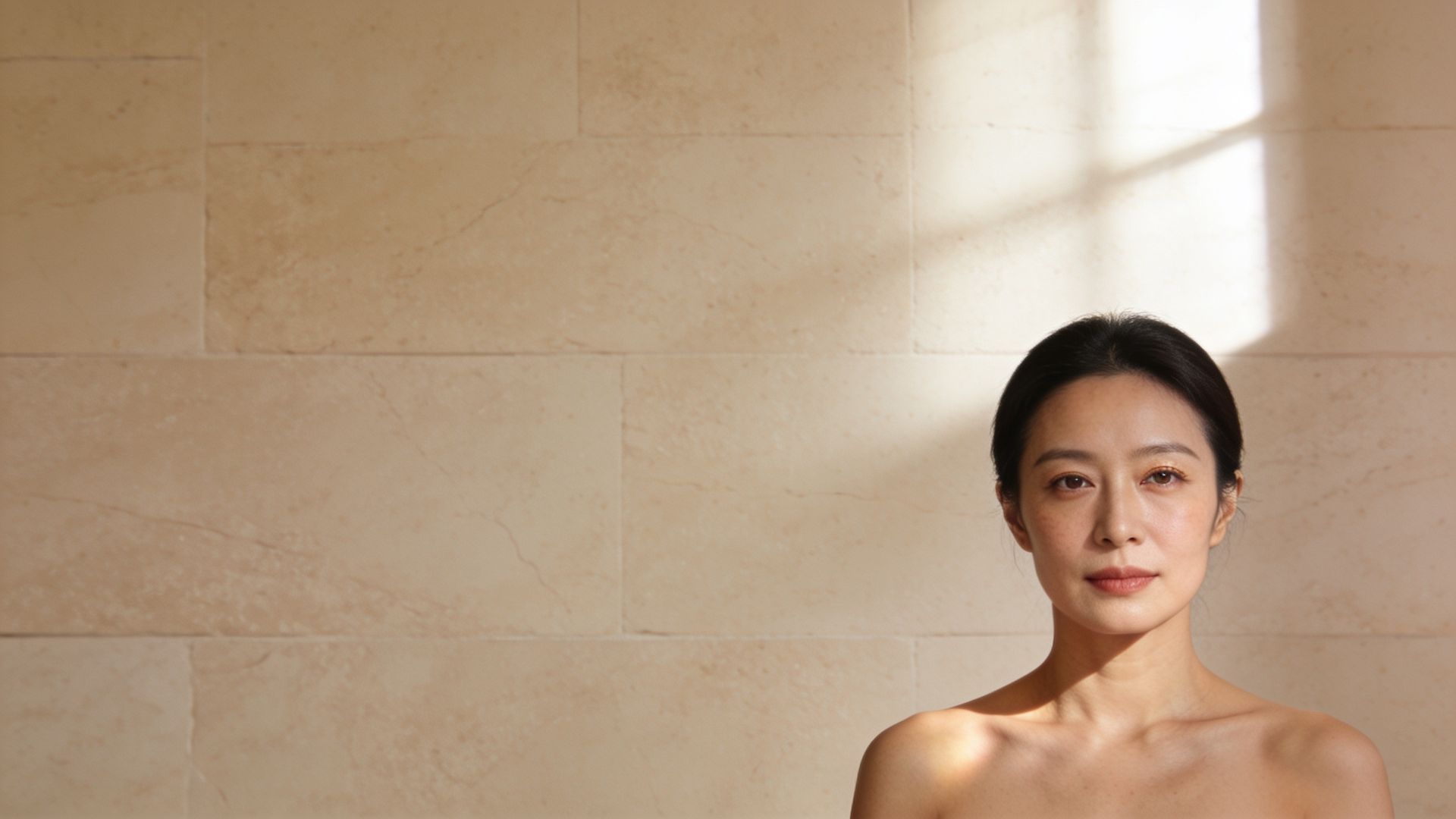
Woman with natural under-eye skin, illustrating Rejuran Eye for under-eye skin quality
Rejuran i · Under-Eye Skin · Polynucleotides · Orchard Road

Rejuran Eye (Rejuran i) for Under-Eye Skin

For thin skin, not for hollows.

Rejuran Eye is a polynucleotide injectable made for the thin skin under the eyes. Dr Sin Yong at IN Eternity Clinic on Orchard Road explains what it can do, what it cannot, and how to tell whether your under-eye concern is the right one for it.

WhatsApp to Enquire →Key facts ↓
PN
Polynucleotide injectable
Superficial
Placed in the skin
Course
Spaced sessions
Not a filler
Adds little volume
Assessed and treated by Dr Sin Yong, Medical Director · MBBS (NUS) · MRCS (Edinburgh) · MSc Aesthetic Medicine (London) · MSc Practical Dermatology (Cardiff) · Designated DEKA Centre of Excellence

Rejuran Eye, sold as Rejuran i, is an injectable polynucleotide made from purified salmon DNA fragments and formulated for the thin skin under the eyes. It is placed in small, shallow injections, usually over a short course, to support skin quality and fine crepiness. It does not fill hollows, flatten eye bags or remove brown pigment.

Key facts
  • What it is: a polynucleotide (PN) gel made from purified fragments of salmon DNA, in a formulation the manufacturer designed for the eye area.
  • Proposed action: polynucleotides are thought to support fibroblast activity, hydration and a calmer repair environment in the dermis; good-quality human trials are still limited.
  • Where it goes: small, shallow injections across the lower-eyelid and crow’s-feet skin, or placed with a fine blunt cannula.
  • What it targets: thin, crepey under-eye skin, fine lines and the translucency that lets vessels show through.
  • What it cannot do: fill a tear trough hollow, flatten fat-pad eye bags, or clear brown pigment.
  • Course: commonly two to four sessions a few weeks apart, with gradual change over the following months.
  • Who should avoid it: people allergic to fish or salmon products, with active infection or inflammation around the eye, or who are pregnant or breastfeeding.
  • Healing: small bumps settle over hours to a day or two; bruising is possible and can take a week or so to fade.
Reviewed by Dr Sin Yong, Medical Director, IN Eternity Clinic · Last updated
Under-eye skin

Why does under-eye skin need its own treatment?

The skin of the lower eyelid is among the thinnest on the body, with very little fat beneath it and a muscle, the orbicularis oculi, that moves thousands of times a day. It loses collagen and elasticity earlier than thicker facial skin, and when it thins, the purple of the muscle and the blue of small veins show through more easily. Fine, crinkled lines appear on smiling and then at rest.

Dark circles have several causes, often at once: shadow from a hollow tear trough, brown pigment in the skin, visible vessels behind translucent skin, and puffiness or fat-pad bags that cast their own shadow. A review of dark circles in dermatology describes these as separate mechanisms needing separate approaches. Rejuran Eye is aimed at only one of them, the quality of the skin itself. Working out which causes you have is the first step; the guide to under-eye filler vs Rejuran Eye vs laser explains how they are told apart.

Everyday factors also play a part and are worth addressing alongside any treatment. Rubbing the eyes, often driven by allergic rhinitis or eczema around the lids, thickens and darkens the skin over time. Poor sleep, dehydration and salty food make puffiness and shadows more obvious in the morning. Sun exposure thins the skin further, so sunglasses and a sunscreen suitable for the eye area help protect any improvement. A gentle eye cream with moisturising and barrier-supporting ingredients will not change structure, but it keeps thin skin comfortable and less crinkled. None of this replaces treatment where it is needed; it makes the result easier to keep.

Doctor assessing under-eye skin in overhead light at IN Eternity Clinic
Illustrative image. Not a patient of IN Eternity Clinic.
What it is

What is Rejuran i, and how does it differ from Rejuran Healer?

Rejuran is a family of injectables based on polynucleotides (PN), long chains of DNA fragments purified from salmon. Rejuran Healer is the standard formulation used across the face for skin quality. Rejuran S is a thicker form intended for depressed acne scars. Rejuran i, widely called Rejuran Eye, is the formulation the manufacturer designed for the delicate skin around the eyes. The Rejuran Healer, HB, S and Eye comparison sets out the differences in more detail.

Polynucleotides are related to, but not the same as, PDRN (polydeoxyribonucleotide), which consists of shorter fragments and is used in other products. PN forms a gel that holds water and stays in the tissue for a while. Laboratory work suggests polynucleotides support fibroblast activity, collagen production and a less inflamed repair environment, and an Italian expert group has published consensus guidance on their use in aesthetic medicine. Clinical studies are, however, mostly small and short, and recent reviews call for larger controlled trials. Expectations should be modest and gradual.

As with any injectable, ask what product is being used and check that it is registered for use in Singapore with the Health Sciences Authority. Polynucleotides are not hyaluronic acid filler and cannot be dissolved with hyaluronidase, although they are broken down by the body over time.

“If the darkness is a hollow, Rejuran Eye will not fill it. I match the treatment to the cause, not to the name people search for.”
— Dr Sin Yong, Medical Director, IN Eternity Clinic
Who it suits

Who is Rejuran Eye for, and who is it not for?

Under-eye concernRejuran Eye?Usually considered instead
Thin, crepey skin, fine linesOften suitable—
Bluish tint from thin skinMay help a littleCombined skin-quality plan
Hollow tear troughNot on its ownUnder-eye filler
Fat-pad eye bagsNoEye bag treatment
Brown pigmentNoPigment laser and topical care
Puffiness or festoonsGenerally avoidedAssessment of the cause

Rejuran Eye tends to suit people in their thirties to fifties whose main complaint is crinkly, thin under-eye skin with reasonable underlying shape. It is sometimes used before or alongside tear trough refinement so that the skin over a corrected hollow looks better, and alongside eyelid-skin tightening such as the Thermage FLX eye tip (see Thermage for the eyes). It is less suitable where the under-eye swells easily, because any injection there can aggravate fluid retention, and it does not help true eye bags; those are covered on eye bag removal.

A drop of clear gel on silk, representing polynucleotide skin support
Illustrative image. Not a patient of IN Eternity Clinic.
The session

What happens during a Rejuran Eye session?

The area is assessed at rest and on smiling, and photographs are taken in standard lighting. Make-up is removed and the skin cleaned. Numbing cream is applied for about 20 to 30 minutes. The product is then placed as a series of small, shallow injections in a grid across the lower eyelid and crow’s-feet skin, or threaded in with a fine blunt cannula, which can reduce the number of entry points. The injection part takes around 10 to 15 minutes.

Small raised bumps form where the gel has been placed; these are expected and flatten over hours to a day or two. A cool compress is applied, and the skin is left free of make-up for the rest of the day. A course of two to four sessions, two to four weeks apart, is common, with a review afterwards to decide on maintenance. How many sessions you need depends on the starting skin and how it responds.

Recovery and risks

Recovery, risks and realistic results

Expect small bumps for a day or so, mild redness and some tenderness. Bruising is the most common nuisance around the eyes, because the area has many small vessels; it can take a week or so to fade and can be covered with concealer after a day. Rarer problems include prolonged swelling, small lumps that take longer to settle, infection and allergic reaction. People allergic to fish or salmon products should not have polynucleotide injections. Avoid rubbing the area, intense exercise, alcohol and saunas for a day or two.

Change is gradual. Skin may look a little smoother and more hydrated after the bumps settle, with further improvement in texture and crepiness building over weeks after the course. Results vary considerably between people, and the effect wears off over months, so maintenance is usually discussed. Rejuran Eye will not change the shape of the under-eye or lift heavy lids. Practical aftercare is also covered in Rejuran downtime and aftercare.

At IN Eternity Clinic

How does Dr Sin Yong decide?

At IN Eternity Clinic, Dr Sin Yong looks at the under-eye from the front and in profile, at rest and on smiling, and under overhead and side light, to separate shadow, pigment, vessels and skin quality. He will tell you at assessment whether Rejuran Eye suits your concern, whether something else would do more, or whether a combination in sequence makes sense. If your concern is mainly a hollow, a bag or pigment, he will say so rather than offer a skin-quality injection that cannot change it.

Other under-eye options are gathered on the eye-area hub, and the wider Rejuran range is described on Rejuran Singapore.

Myths and facts

Common myths, answered

Questions

Frequently asked questions

What is Rejuran i?

Rejuran i is the name of the Rejuran formulation designed for the eye area, often called Rejuran Eye. Like other Rejuran products, it contains polynucleotides, long chains of DNA fragments purified from salmon. It is injected into thin under-eye skin to support skin quality and fine crepiness. It is not a hyaluronic acid filler and adds little volume.

Is Rejuran Eye the same as Rejuran Healer?

They belong to the same family and are both polynucleotide injectables, but Rejuran i is a formulation the manufacturer designed for the delicate eye area, while Rejuran Healer is the standard formulation used across the face. Which one is used, and where, depends on your skin and the area treated, and is decided at assessment.

How many Rejuran Eye sessions will I need?

A course of two to four sessions, two to four weeks apart, is common, followed by a review. Some people then have maintenance sessions every several months. The number depends on how thin and crepey the skin is at the start and how it responds. Because change is gradual, results are judged against photographs taken before the course.

Does Rejuran Eye hurt?

Numbing cream is applied for about 20 to 30 minutes first, so most people feel small pricks and some pressure rather than sharp pain. The eye area is sensitive, and a few spots can sting more. Using a fine blunt cannula can reduce the number of entry points. The injections themselves usually take only around 10 to 15 minutes.

How long do the bumps and bruises last after Rejuran Eye?

The small bumps where the gel is placed usually flatten within a few hours to a day or two. Mild redness settles within hours. Bruising is possible around the eyes and can take a week or so to fade fully; it can usually be covered with concealer after a day. Avoid rubbing, alcohol and saunas for a day or two.

Can Rejuran Eye be combined with filler or laser?

Yes, in sequence. Rejuran Eye improves skin quality, under-eye filler addresses a hollow, and pigment laser addresses brown discoloration. Where more than one cause is present, treatments are usually planned on separate days, often with skin-quality treatment first. Dr Sin Yong decides the order once he has assessed which causes are present.

How much does Rejuran Eye cost?

Cost depends on the product and amount used, the number of sessions in the course, whether the crow’s-feet area is included and whether other under-eye treatments are combined. A single course is different from a longer plan with maintenance. Dr Sin Yong gives a written quote after assessment, and the consultation fee is waived with any medical treatment.

Related at IN Eternity Clinic
Rejuran SingaporeUnder-eye filler vs Rejuran EyeTear trough refinementEye-area concernsRejuran downtime and aftercareRejuran Healer, HB, S and Eye

Book an assessment

IN Eternity Clinic, 9 Scotts Road, #12-01 Pacific Plaza, Singapore 228210. By appointment with Medical Director Dr Sin Yong. Monday to Saturday, 11am to 8pm. WhatsApp or call +65 8815 3008.

WhatsApp to Enquire →Call +65 8815 3008
S
Dr Sin Yong
MBBS (NUS) · MRCS (Edinburgh) · MSc Aesthetic Medicine (London) · MSc Practical Dermatology (Cardiff)
International KOL — CLASSYS · HIRONIC · DEKA · ALMA · FOTONA · LUTRONIC

References

  1. Roh MR, Chung KY. Infraorbital dark circles: definition, causes, and treatment options. Dermatol Surg 2009;35(8):1163-1171. doi:10.1111/j.1524-4725.2009.01213.x
  2. Cavallini M, Bartoletti E, Maioli L, et al. Consensus report on the use of PN-HPT (polynucleotides highly purified technology) in aesthetic medicine. J Cosmet Dermatol 2021;20(3):922-928. doi:10.1111/jocd.13679
  3. Park KY, Seok J, Rho NK, Kim BJ, Kim MN. Long-chain polynucleotide filler for skin rejuvenation: efficacy and complications in five patients. Dermatol Ther 2016;29(1):37-40. doi:10.1111/dth.12299
  4. Lee KWA, Chan KWL, Lee A, et al. Polynucleotides in Aesthetic Medicine: A Review of Current Practices and Perceived Effectiveness. Int J Mol Sci 2024;25(15):8224. doi:10.3390/ijms25158224
  5. Health Sciences Authority, Singapore. Infosearch — registered medical devices and health products. hsa.gov.sg

These sources describe mechanisms and general evidence. They are not a promise of any individual result; suitability is decided at an in-person assessment.

WhatsApp us