Skip to content
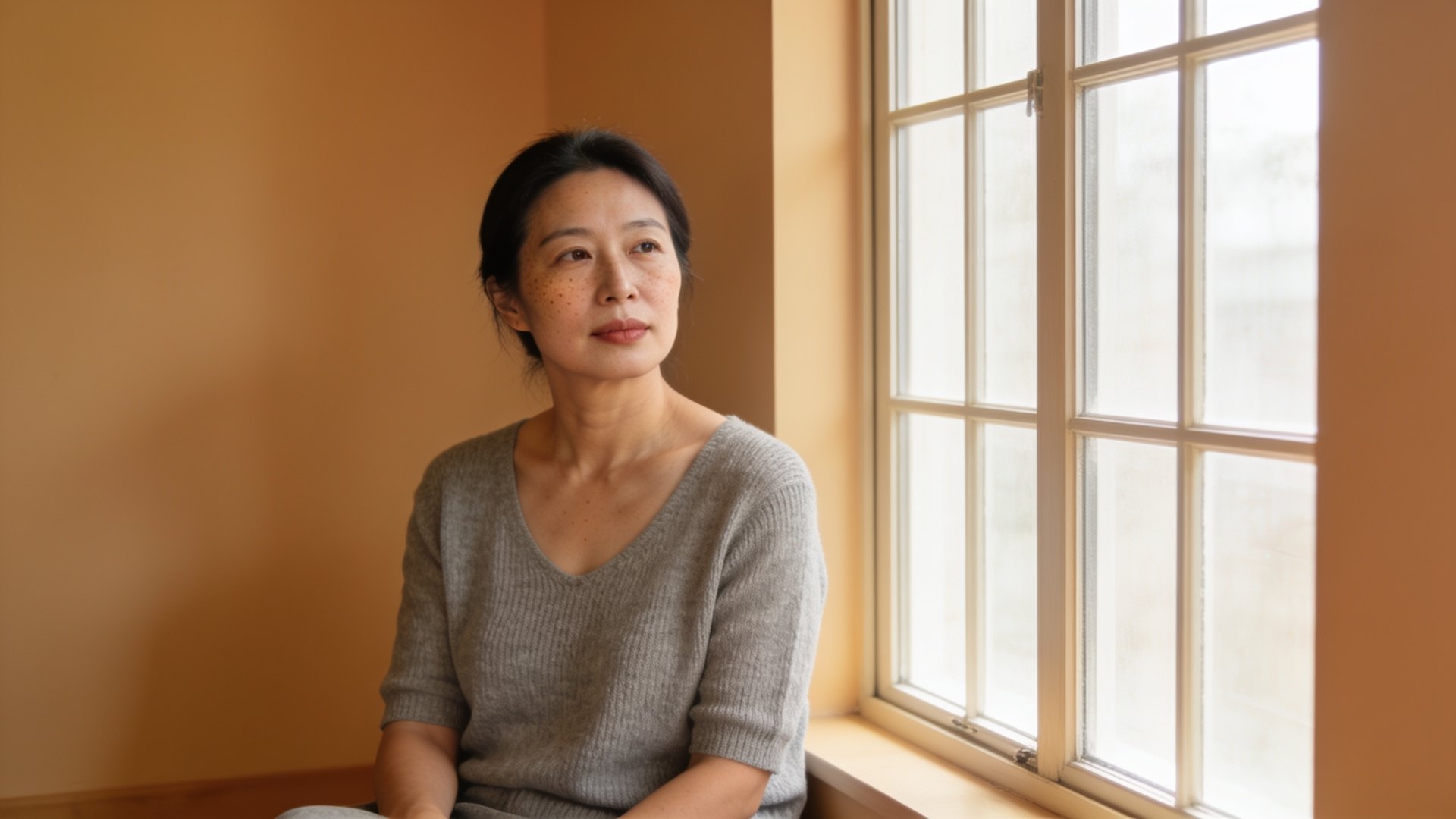
An East Asian woman in her forties with natural skin in soft window light, illustrating the difference between age spots, freckles and melasma
Pigmentation · Decision Guide · Orchard Road

Age Spots vs Freckles vs Melasma: How to Tell Them Apart

Three brown marks, three different plans.

Age spots and freckles usually clear with pigment laser; melasma can darken with the same settings. Dr Sin Yong explains how they are told apart and where each one is treated.

WhatsApp to Enquire →Key facts ↓
Edge
Sharp vs blurred
Age
Childhood vs adult
Sun
Fades or stays
Diagnosis
Before laser
Assessed and planned by Dr Sin Yong, Medical Director · MBBS (NUS) · MRCS (Edinburgh) · MSc Aesthetic Medicine (London) · MSc Practical Dermatology (Cardiff) · Designated DEKA Centre of Excellence
In short

Age spots are sharply edged brown spots from years of sun that stay the same all year. Freckles are small spots from childhood that darken with sun and fade without it. Melasma is a symmetrical patch with blurred edges, driven by hormones, light and heat. Age spots and freckles usually clear with pigment laser; melasma is managed with sun protection, topical care and gentle toning.

Reviewed by Dr Sin Yong, Medical Director, IN Eternity Clinic · Updated
Key facts
  • Age spots: adult onset, sharp edges, stay all year; spot laser, often one to three sessions.
  • Freckles: childhood onset, small and many, fade without sun; spot laser, return with sun.
  • Melasma: blurred symmetrical patches; hormones, light and heat; managed, not cured.
  • Why it matters: strong spot settings can darken melasma; the diagnosis comes first.
  • Often together: many faces have two or three types, plus acne marks or Hori’s naevus.
  • Check first: any spot that is irregular, changing, bleeding or unlike the others.
  • Consultation: S$120, waived with any medical treatment. IN Eternity Clinic, 9 Scotts Road, #12-01 Pacific Plaza.
Why it matters

Age spots, freckles or melasma: why the difference matters

Age spots, freckles and melasma are the three most common reasons people in Singapore ask about pigmentation. They can look alike, they often appear on the same face, and they respond differently to treatment. Age spots and freckles usually clear well with a pigment laser used spot by spot. Melasma can turn darker after the same settings, because it is driven by hormones, light and heat and involves the deeper skin.

This page is a decision guide. It sets out how the three are told apart, what each one means for treatment, and where to go next. It is not a substitute for an examination: the diagnosis is made in person, under good light and magnification, and some spots need a closer look. Each condition has its own treatment page: age spot removal, freckles removal and melasma treatment.

Side by side

Age spots vs freckles vs melasma compared

Typical patterns. A face can have all three, alongside acne marks or Hori’s naevus.
Age spots (sun spots, solar lentigines)Freckles (ephelides)Melasma
Usually startsFrom the thirties onwards, after years of sunChildhoodAdulthood, often in women after pregnancy or hormonal change
Size and numberFew to several, a few millimetres to over a centimetreMany, small, a few millimetresPatches, often several centimetres
EdgesSharp; you can trace themFairly sharpBlurred; blends into normal skin
ColourLight to dark brownLight to mid brownBrown or grey-brown
PatternCheeks, temples, backs of hands, forearmsNose, cheeks, shouldersSymmetrical: cheeks, forehead, upper lip, jaw
With less sunStay the sameFadeLighten slowly
What drives itCumulative UVInherited response to UVHormones, UV and visible light, heat, deeper skin changes
DepthSurface (epidermis)Surface (epidermis)Surface and deeper (dermis), often mixed
Laser responseGood, often 1–3 sessionsGood; returns with sunCautious; strong settings can darken it
Long termNew spots can form with sunReturn with sunChronic; tends to recur; managed, not cured

Two simpler clues help. An age spot has an edge you can trace with a fingertip and stays the same all year. Melasma is a patch with no clear edge that mirrors itself on both sides of the face. Freckles are small and many, and were there in childhood.

Self-check

A quick self-check (not a diagnosis)

These questions point towards one or another, but only an examination confirms it.

Several answers can be yes at once, because the types often coexist.
QuestionIf yes, it points towards
Did the spots first appear in childhood or the teens?Freckles
Do they fade noticeably after time away from the sun?Freckles (melasma lightens more slowly)
Are they larger, darker spots with sharp edges, which appeared in adulthood?Age spots
Are they on the backs of your hands as well as your face?Age spots
Is it a patch with blurred edges, matching on both cheeks?Melasma
Did it start or worsen during pregnancy or with hormonal medicine?Melasma
Does it get darker after heat, such as cooking, hot yoga or saunas?Melasma
Are there blue-grey speckles on the upper cheeks?Hori’s naevus, a deeper pigment
Did the mark appear where a pimple or rash was?Post-inflammatory pigmentation
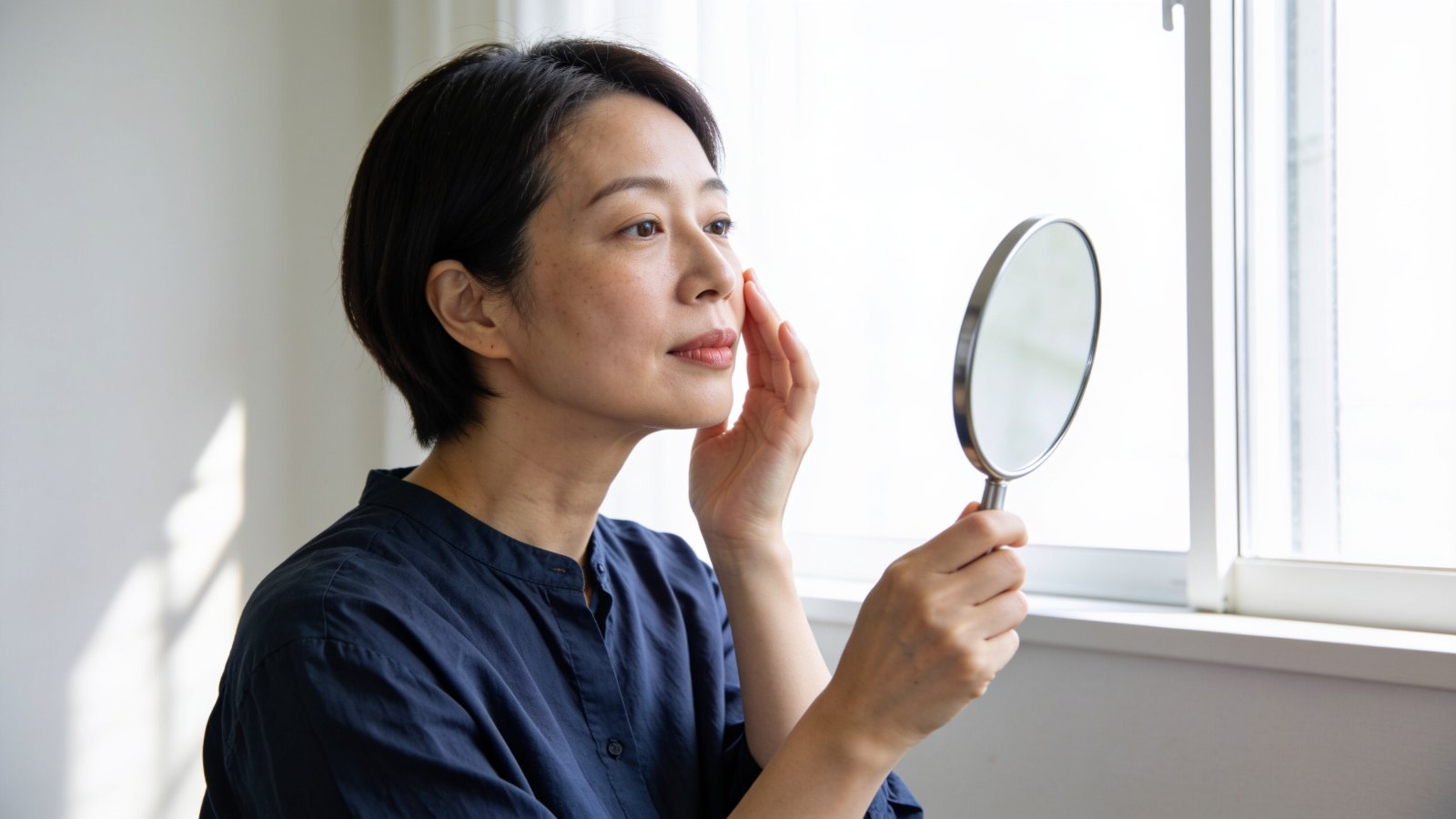
A Japanese woman in her forties living in Singapore looking closely at her cheek in a hand mirror by a window, her whole face and head in frame
Illustrative image. Not a patient of IN Eternity Clinic.
What it means for treatment

How each one is treated

Age spots

Age spots are treated spot by spot with a picosecond or Q-switched pigment laser, often at 532 nm for surface pigment, on the DEKA TORO or Fotona StarWalker PQX. Many clear in one to three sessions, with darkening and fine crusts for about a week. A spot that has become rough or raised is often a seborrhoeic keratosis and is treated differently. See age spot removal in Singapore and the condition page sun spots and age spots.

Freckles

Freckles respond to the same kind of spot treatment and often lighten markedly in one to three sessions, but because the tendency is inherited, they return with sun. Sun protection decides how long the result lasts. See freckles removal in Singapore and freckles: causes and signs.

Melasma

Melasma is managed rather than cured. The base is daily protection from UV, visible light and heat; topical treatment and, for suitable people, a prescription medicine reduce pigment production; and gentle, low-energy laser toning is added cautiously as support. Strong spot settings are avoided because they can darken it. See melasma treatment in Singapore and melasma: causes, types and triggers.

When they coexist

A common face in Singapore has freckles on the nose, an age spot or two on the temple and early melasma on the cheeks. The plan then treats them separately in one programme: spot settings for the defined spots, gentle toning and topical care for the melasma, and sun protection for all three. The wider guide is pigmentation treatment in Singapore.

“Three brown marks can look alike in a mirror and need three different plans. Treating melasma as a sun spot is how a small problem becomes a larger one.”
— Dr Sin Yong, Medical Director, IN Eternity Clinic
Getting it wrong

What happens if pigment is treated as the wrong type?

This is why the diagnosis is made before any laser is chosen.
MistakeWhat can happen
Melasma treated with strong spot settingsDarker patches (post-inflammatory or rebound pigmentation) that take months to settle
Hori’s naevus treated as melasmaLittle change after many gentle sessions, because the pigment is deeper
Seborrhoeic keratosis treated as an age spotPartial lightening; the raised spot remains
A changing mole or early skin cancer lasered as a sun spotDelayed diagnosis, because the pigment that would show what it was is removed
Freckles treated without a sun planClear skin for a season, then freckles back

Laser for pigment is safe and effective when it is matched to the right diagnosis. In a randomised split-face study of age spots in Asian patients, picosecond laser cleared pigment with fewer cases of darkening than Q-switched laser; in melasma, by contrast, added laser helped during treatment but the difference faded at follow-up. The same device behaves differently on different pigment.

At assessment

What Dr Sin Yong looks for

  • Edge and pattern. A traceable edge suggests an age spot or freckle; a blurred, symmetrical patch suggests melasma.
  • Depth. Surface pigment and deeper dermal pigment are distinguished under magnification and good light.
  • History. When it started, whether it changes with sun or hormones, and what has been tried.
  • Texture. A raised or rough brown spot is assessed as a possible seborrhoeic keratosis.
  • The odd one out. Any spot that looks different from the rest is examined and, if needed, referred.
  • Triggers in your life. Outdoor work, sport, heat exposure and hormonal medicines change the plan.

General clinical observations used at consultation; they describe what is checked, not any individual result.

When this is not cosmetic

When a brown spot needs a medical check

Most brown spots are harmless. These features mean a spot should be examined, and sometimes biopsied, before any cosmetic treatment.

These are referred for assessment first. Moles are covered in mole removal.

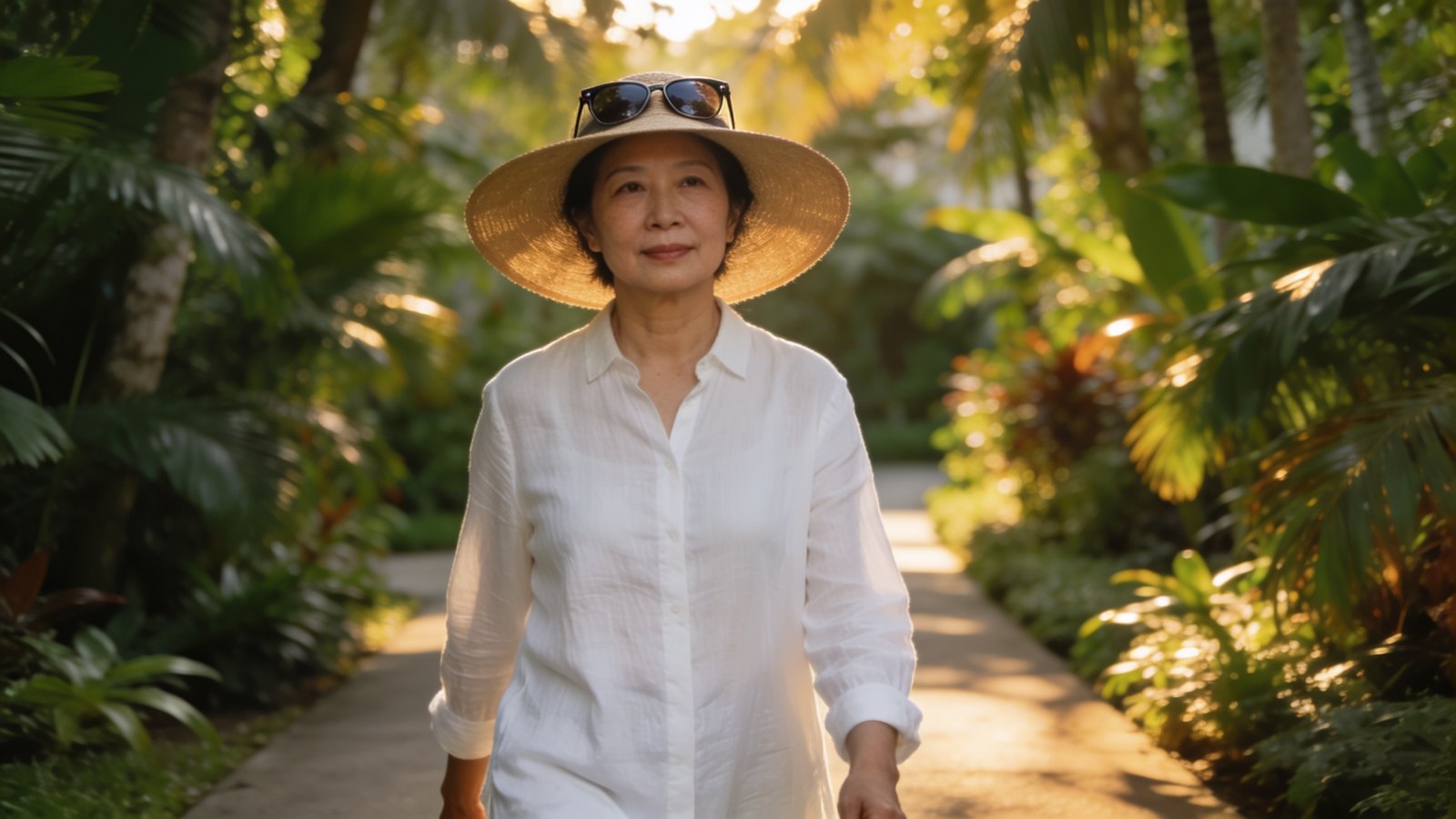
A Chinese Singaporean woman in her fifties in a sun hat and long sleeves walking along a shaded garden path in soft light, her whole face and head in frame
Illustrative image. Not a patient of IN Eternity Clinic.
Prevention

How to prevent all three

The common thread is light. Age spots come from cumulative UV, freckles from an inherited response to UV, and melasma from UV, visible light and heat on hormonally sensitive skin. Daily broad-spectrum sunscreen, reapplied outdoors, is the base for all three; for melasma, a tinted sunscreen that also blocks visible light helps further. A hat, shade at midday and care on holiday add more than any single product. In Singapore, UV is strong all year, so protection is daily rather than seasonal. The consultation fee at IN Eternity Clinic is S$120, waived with any medical treatment.

Questions

Frequently asked questions

How can I tell if it is melasma or age spots?

Age spots have sharp edges you can trace, stay the same all year and often appear on the backs of the hands too. Melasma is a patch with blurred edges, usually matching on both cheeks, forehead or upper lip, and is linked to hormones, light and heat. An examination confirms it.

Are freckles and age spots the same?

No. Freckles appear in childhood, are small and many, and fade with less sun. Age spots appear in adulthood after years of sun, are larger and sharply edged, and do not fade. Both respond to pigment laser.

Can pico laser treat melasma?

Pico laser can support melasma treatment at gentle settings, alongside sun protection and topical care. Strong spot settings can darken melasma. In studies, added laser helped during treatment but the benefit faded without maintenance.

Which is hardest to treat?

Melasma, because it is chronic, involves the deeper skin and responds to hormones, light and heat. It is managed over time rather than cleared. Freckles and age spots usually respond within a few sessions.

Can I have melasma and freckles at the same time?

Yes, and it is common. The plan treats them separately: spot settings for freckles, gentle toning and topical care for melasma, and sun protection for both.

Do age spots mean skin cancer?

Age spots themselves are harmless. They show the skin has had a lot of sun, which also raises skin cancer risk. A spot that is irregular, changing, bleeding or different from the others should be examined before any treatment.

Why did my pigmentation get worse after laser?

Common reasons are post-inflammatory darkening after treatment, melasma that was treated with strong settings, or sun exposure soon after. The cause is assessed, laser is paused and the skin is settled with sun protection and topical care.

What is Hori’s naevus?

Hori’s naevus is a deeper, grey-brown or blue-grey speckled pigment on the upper cheeks, common in East Asian women and often mistaken for melasma. It needs longer laser wavelengths and several sessions, and does not respond to melasma creams.
Related at IN Eternity: Age spot removal · Freckles removal · Melasma treatment · Pigmentation treatment Singapore · Sun spots and age spots · Melasma: causes and triggers

Book an assessment

IN Eternity Clinic, 9 Scotts Road, #12-01 Pacific Plaza, Singapore 228210. By appointment with Medical Director Dr Sin Yong. Monday to Saturday, 11am to 8pm. WhatsApp or call +65 8815 3008. The consultation fee is waived with any medical treatment.

WhatsApp to Enquire →Call +65 8815 3008
S
Dr Sin Yong
MBBS (NUS) · MRCS (Edinburgh) · MSc Aesthetic Medicine (London) · MSc Practical Dermatology (Cardiff)
International KOL — CLASSYS · HIRONIC · DEKA · ALMA · FOTONA · LUTRONIC

References

  1. Praetorius C, Sturm RA, Steingrimsson E. Sun-induced freckling: ephelides and solar lentigines. Pigment Cell Melanoma Res 2014;27(3):339-350. doi:10.1111/pcmr.12232
  2. Sheth VM, Pandya AG. Melasma: a comprehensive update: part I. J Am Acad Dermatol 2011;65(4):689-697. doi:10.1016/j.jaad.2010.12.046
  3. Passeron T, Picardo M. Melasma, a photoaging disorder. Pigment Cell Melanoma Res 2018;31(4):461-465. doi:10.1111/pcmr.12684
  4. Kwon SH, Hwang YJ, Lee SK, Park KC. Heterogeneous pathology of melasma and its clinical implications. Int J Mol Sci 2016;17(6):824. doi:10.3390/ijms17060824
  5. Ho SGY, Chan HHL. The Asian dermatologic patient: review of common pigmentary disorders and cutaneous diseases. Am J Clin Dermatol 2009;10(3):153-168. doi:10.2165/00128071-200910030-00002
  6. Vachiramon V, Iamsumang W, Triyangkulsri K. Q-switched double frequency Nd:YAG 532-nm nanosecond laser vs. double frequency Nd:YAG 532-nm picosecond laser for the treatment of solar lentigines in Asians. Lasers Med Sci 2018;33(9):1941-1947. doi:10.1007/s10103-018-2560-3
  7. Choi YJ, Nam JH, Kim JY, et al. Efficacy and safety of a novel picosecond laser using combination of 1064 and 595 nm on patients with melasma: a prospective, randomized, multicenter, split-face, 2% hydroquinone cream-controlled clinical trial. Lasers Surg Med 2017;49(10):899-907. doi:10.1002/lsm.22735
  8. Singapore Medical Council. Guidelines on Aesthetic Practices for Doctors (2016 edition). healthprofessionals.gov.sg/smc

These sources describe mechanisms and general evidence. They are not a promise of any individual result; suitability is decided at an in-person assessment.

WhatsApp us