Skip to content
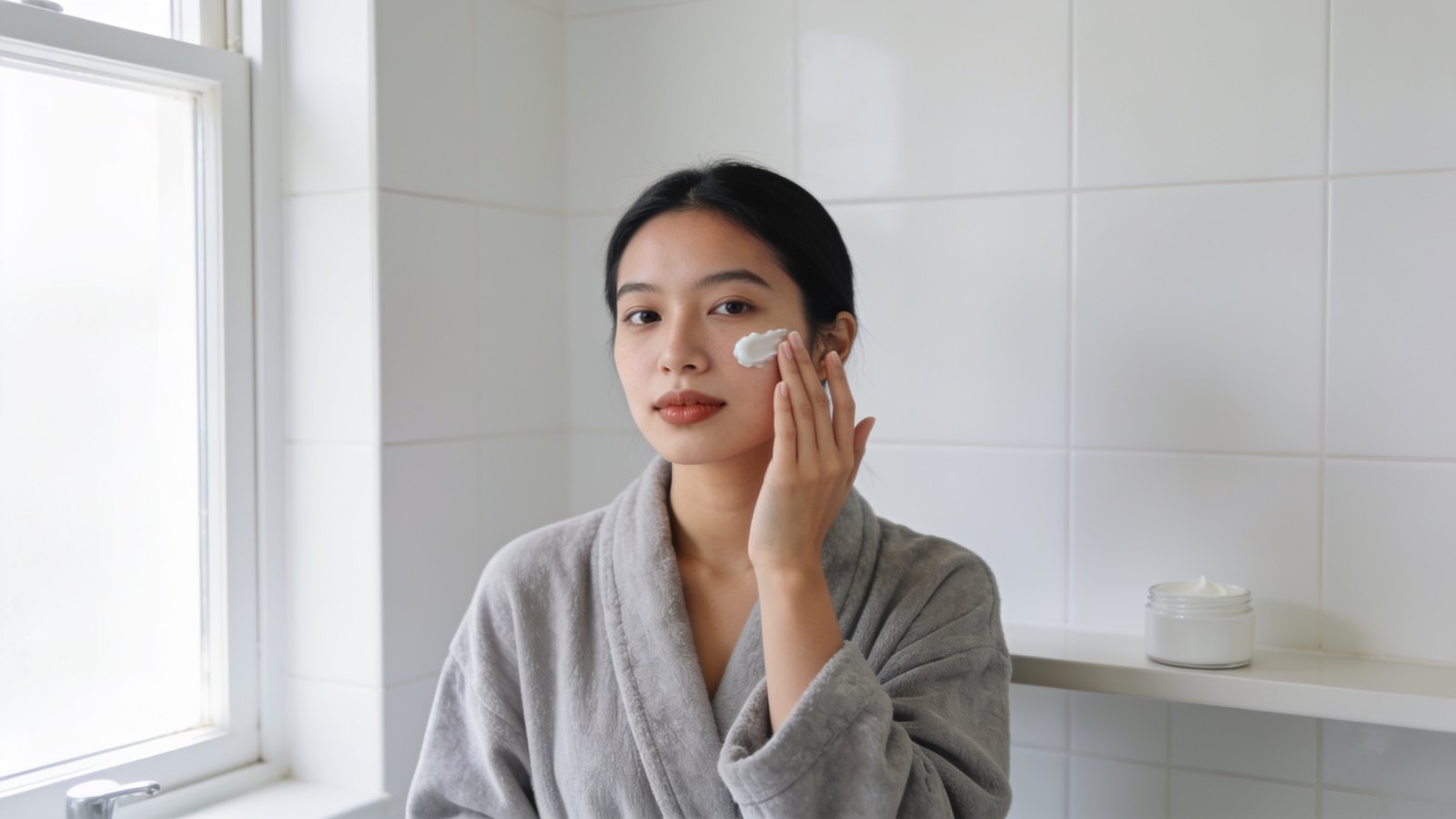
Southeast Asian woman in her twenties with fresh, calm skin standing by a bright window, representing skin purging advice at IN Eternity Clinic, Singapore
Skin Purging · Retinoids · Acne · Orchard Road

Skin Purging vs Breakout: How to Tell the Difference

Purging ends; a breakout keeps going.

A flare after a new retinoid or acid can be purging or a reaction. Medical Director Dr Sin Yong explains how to tell, how long purging lasts and when to stop.

WhatsApp to Enquire →Key facts ↓
4–6 weeks
Usual purge
Retinoids
Common cause
New areas
Suggest breakout
Doctor
Assessment
Assessed and planned by Dr Sin Yong, Medical Director · MBBS (NUS) · MRCS (Edinburgh) · MSc Aesthetic Medicine (London) · MSc Practical Dermatology (Cardiff) · Designated DEKA Centre of Excellence
In short

Skin purging is a temporary flare of small spots after starting an ingredient that speeds cell turnover, such as a retinoid or exfoliating acid. It brings existing clogged pores to the surface, appears where you usually break out and settles within about four to six weeks. A breakout comes from a product that clogs or irritates, can appear in new areas and continues while you use it.

Reviewed by Dr Sin Yong, Medical Director, IN Eternity Clinic · Updated
Key facts
  • Purging: a temporary flare as existing microcomedones surface faster.
  • What can purge: retinoids, AHA and BHA acids, sometimes benzoyl peroxide, peels and extractions.
  • What cannot: moisturisers, hyaluronic acid, niacinamide and most vitamin C serums.
  • How long: usually four to six weeks; clearly improving by eight.
  • Breakout clues: new areas, any product, spots that persist while you use it.
  • Stop and seek care: burning, swelling, blistering or a spreading rash.
  • Consultation: S$120, waived with any medical treatment. IN Eternity Clinic, 9 Scotts Road, #12-01 Pacific Plaza.
The basics

What is skin purging?

Skin purging is a temporary flare of small spots that can happen when you start an active ingredient that speeds up how fast the skin renews itself. The ingredient does not create new spots. It brings forward the ones that were already forming under the surface.

Every clogged pore starts as a microcomedone, a tiny plug of oil and skin cells too small to see. In acne-prone skin there are many of these at any time, at different stages. An ingredient that increases cell turnover, such as a retinoid or an exfoliating acid, pushes those plugs through their life cycle faster. For a few weeks, more of them surface at once as whiteheads, blackheads and small red bumps. Once that backlog has cleared, the skin is usually clearer than before, because the same ingredient now stops new plugs forming.

A breakout is different. It is new spots caused by something that clogs or irritates the skin, and it does not settle while you keep using the product. Because the two can look alike in the first fortnight, many people either stop a useful treatment too early or persist with a product that is harming their skin.

Purging vs breakout

Skin purging vs breakout: how to tell the difference

A general guide. When in doubt, stop the newest product and have the skin examined.
CluePurgingBreakout from a productIrritation or allergy
What started itAn active that speeds cell turnover: retinoid, AHA, BHA, some peelsAny product, often a heavy cream, oil, sunscreen or make-upAny product; fragrance, preservatives and strong actives are common culprits
WhereWhere you usually break outOften in new places, wherever the product is appliedWherever the product touched; can spread to eyelids and neck
What the spots look likeSmall whiteheads, blackheads and red bumps that come and go quicklyComedones and pimples that lingerRedness, stinging, dryness, flaking, sometimes tiny itchy bumps or swelling
How it feelsMildly tender, like your usual spotsLike your usual spotsBurning, stinging or itching
How longUsually settles within four to six weeksContinues as long as you use the productContinues or worsens until you stop
What to doUsually continue, at a gentler paceStop the productStop the product; seek advice if swollen or blistered

The most useful single clue is the ingredient. If the new product does not speed up cell turnover, a flare is not purging, whatever the label or a forum says. A hydrating serum, a moisturiser or a sunscreen cannot purge; if spots appear after starting one, it is a breakout or a reaction.

What causes it

Which ingredients and treatments can cause purging?

Ingredients that do not change cell turnover, such as hyaluronic acid, niacinamide, ceramides and most vitamin C serums, are not expected to cause purging. Spots after starting them suggest the formula does not suit your skin. Comedogenicity depends on the whole formula and on the person, which is why a product that suits one person can clog another.

A Southeast Asian woman in her twenties applying a light moisturiser at a bright bathroom mirror, her whole face and head in frame
Illustrative image. Not a patient of IN Eternity Clinic.
How long it lasts

How long does skin purging last?

Skin renews roughly every four weeks in young adults, more slowly with age. Most purging settles within four to six weeks of starting an active, roughly one turnover cycle, and should be clearly improving by eight weeks. If spots are still increasing after six weeks, are appearing in areas where you never break out, or are getting larger and deeper, it is unlikely to be purging.

Retinoids are judged at about eight to twelve weeks for acne, because that is how long they take to show their benefit. That is why it matters to get through the first weeks without giving up, as long as the skin is purging rather than reacting.

What to do

What to do if your skin is purging

If whiteheads are the main problem and they have not settled, see closed comedones treatment. If the bumps are itchy and identical, particularly on the forehead, they may be fungal acne, which retinoids do not treat.

“Purging happens where you already break out, and it ends. A breakout in new places that keeps going is the product telling you to stop.”
— Dr Sin Yong, Medical Director, IN Eternity Clinic
If it is a breakout

What to do if it is a breakout or a reaction

Stop the newest product first. If you started several at once, stop all of them and return to a basic routine for two to four weeks until the skin is calm, then reintroduce one product at a time, a few weeks apart. Patch testing a new product on a small area, such as the side of the jaw, for a week before using it on the whole face can save a lot of trouble.

Irritation shows as stinging, redness and flaking, sometimes with tiny bumps. It is a damaged barrier rather than acne, and it is treated with barrier repair rather than more acne products; see sensitised skin. Allergy is rarer but more important: itching, swelling of the eyelids or face, or a rash spreading beyond where the product was applied.

At assessment

What Dr Sin Yong looks for

  • The timeline. What was started, when, and how the spots have changed week by week.
  • The ingredient. Whether the product actually changes cell turnover, which decides whether purging is possible.
  • Where the spots are. Usual breakout areas, or new areas where the product was applied.
  • The type of spot. Comedones and small papules, deeper lumps, or redness with scale and stinging.
  • The barrier. Tightness, flaking and stinging with simple products, which mean the skin needs repair first.
  • Underlying acne. Whether the skin needs medical acne treatment rather than a cosmetic routine.

General clinical observations used at consultation; they describe what is checked, not any individual result.

When this is not cosmetic

When a skin reaction needs medical attention

Most purging and product breakouts are uncomfortable but harmless. Stop the product and seek care promptly if you notice:

These need assessment rather than another change of routine.

A Chinese Singaporean woman in her thirties smiling in a bright café by the window, her whole head and face in frame
Illustrative image. Not a patient of IN Eternity Clinic.
At IN Eternity Clinic

Getting through purging with a doctor-led plan

At IN Eternity Clinic, Medical Director Dr Sin Yong looks at what you have started and how your skin has responded, decides whether it is purging, a breakout or irritation, and adjusts the plan: a gentler start for retinoids, barrier repair where needed, and in-clinic treatment such as extraction or a peel when congestion needs clearing. If the flare reveals underlying acne, it is treated as acne; the options are on acne treatment in Singapore. Cost depends on the treatment plan and is set out after assessment. The consultation fee is S$120, waived with any medical treatment.

To have a flare after a new product looked at in person, book an assessment with Dr Sin Yong at IN Eternity Clinic on Orchard Road, or message the clinic on WhatsApp.

Questions

Frequently asked questions

How do I know if my skin is purging or breaking out?

Purging follows an ingredient that speeds cell turnover, such as a retinoid or exfoliating acid, appears where you usually get spots and settles within about four to six weeks. A breakout can follow any product, often appears in new areas and continues while you use it.

How long does skin purging last?

Usually four to six weeks, roughly one skin cycle, and it should be clearly improving by eight weeks. If spots are still increasing after six weeks or appearing in new places, it is probably a breakout or irritation rather than purging.

Can niacinamide or vitamin C cause purging?

They are not expected to, because they do not speed up cell turnover the way retinoids and exfoliating acids do. Spots after starting them suggest the formula does not suit your skin, so it is reasonable to stop and see if the skin settles.

Should I stop my retinoid if I am purging?

Usually not. Reduce how often you use it, apply a moisturiser alongside it and keep the rest of the routine simple. Stop and seek advice if your skin burns, swells or blisters, or if the flare is worse after six weeks.

Does skin purging happen after a chemical peel or facial?

It can. Peels, extractions and some laser treatments can bring congestion to the surface over the following week or two. This usually settles quickly, and the skin is clearer afterwards.

Is purging a sign that a product is working?

It can be, for ingredients that speed cell turnover, because it shows existing plugs are being cleared. But a flare is not proof of anything on its own, and many people improve on retinoids without a noticeable purge.

How much does a skin assessment cost in Singapore?

At IN Eternity Clinic the consultation fee is S$120, waived with any medical treatment. Any treatment cost depends on the plan and is set out after assessment.

Related at IN Eternity: Acne treatment · Closed comedones treatment · Chemical peel · Sensitised skin · Fungal acne

Book an assessment

IN Eternity Clinic, 9 Scotts Road, #12-01 Pacific Plaza, Singapore 228210. By appointment with Medical Director Dr Sin Yong. Monday to Saturday, 11am to 8pm. WhatsApp or call +65 8815 3008. The consultation fee is waived with any medical treatment.

WhatsApp to Enquire →Call +65 8815 3008
S
Dr Sin Yong
MBBS (NUS) · MRCS (Edinburgh) · MSc Aesthetic Medicine (London) · MSc Practical Dermatology (Cardiff)
International KOL — CLASSYS · HIRONIC · DEKA · ALMA · FOTONA · LUTRONIC

References

  1. Leyden J, Stein-Gold L, Weiss J. Why topical retinoids are mainstay of therapy for acne. Dermatol Ther (Heidelb) 2017;7(3):293-304. doi:10.1007/s13555-017-0185-2
  2. Thielitz A, Gollnick H. Topical retinoids in acne vulgaris: update on efficacy and safety. Am J Clin Dermatol 2008;9(6):369-381. doi:10.2165/0128071-200809060-00003
  3. Draelos ZD, DiNardo JC. A re-evaluation of the comedogenicity concept. J Am Acad Dermatol 2006;54(3):507-512. doi:10.1016/j.jaad.2005.11.1058
  4. Zaenglein AL, Pathy AL, Schlosser BJ, et al. Guidelines of care for the management of acne vulgaris. J Am Acad Dermatol 2016;74(5):945-973. doi:10.1016/j.jaad.2015.12.037
  5. Singapore Medical Council. Guidelines on Aesthetic Practices for Doctors (2016 edition). healthprofessionals.gov.sg/smc

These sources describe mechanisms and general evidence. They are not a promise of any individual result; suitability is decided at an in-person assessment.

WhatsApp us