Skip to content
Man in a light-blue cotton shirt by a window, representing hyperhidrosis treatment options
Sweating Guide · Hyperhidrosis · Underarms, Hands and Feet · Orchard Road

Hyperhidrosis Treatment Options: From Antiperspirant to Surgery

Start simple. Step up only as far as you need.

Excessive sweating is a medical condition, not a hygiene problem. Dr Sin Yong at IN Eternity Clinic on Orchard Road explains how hyperhidrosis is diagnosed and where each treatment fits, from the simplest to the most invasive.

WhatsApp to Enquire →Key facts ↓
6 months
Of focal sweating before diagnosis
Both sides
Typical of primary hyperhidrosis
Step-wise
Treatment ladder
Mapped
Before underarm injections
Assessed and treated by Dr Sin Yong, Medical Director · MBBS (NUS) · MRCS (Edinburgh) · MSc Aesthetic Medicine (London) · MSc Practical Dermatology (Cardiff) · Designated DEKA Centre of Excellence

Hyperhidrosis is sweating beyond what the body needs to cool down, usually in the underarms, palms, soles or face. Treatment follows a ladder: aluminium chloride antiperspirants first, then iontophoresis for hands and feet, injections that block the nerve signal to sweat glands, oral medicines, devices that destroy glands, and surgery for severe cases.

Key facts
  • Primary focal hyperhidrosis: excess sweating in defined areas without an underlying cause, usually starting in childhood or the teens.
  • Diagnostic features: visible focal sweating for at least six months, typically on both sides, affecting daily life, starting before about 25, often running in families and stopping during sleep.
  • Secondary hyperhidrosis: generalised or night sweating, or sweating that starts in adulthood, points to thyroid disease, diabetes, infection, menopause or medicines.
  • Mechanism: the eccrine sweat glands are normal in structure but receive excessive signals from sympathetic nerves that use acetylcholine.
  • Antiperspirants: aluminium chloride forms plugs in the sweat ducts; applied to dry skin at night, it is the usual first step.
  • Injections: botulinum toxin, a prescription medicine, blocks acetylcholine release in the treated skin; in the underarm the effect lasts several months.
  • Devices: tap-water iontophoresis suits palms and soles; microwave thermolysis destroys underarm sweat glands with heat.
  • Surgery: endoscopic thoracic sympathectomy is reserved for severe palm sweating because of the risk of compensatory sweating elsewhere.
Reviewed by Dr Sin Yong, Medical Director, IN Eternity Clinic · Last updated
What it is

What is hyperhidrosis, and is yours primary or secondary?

Everyone in Singapore sweats. Hyperhidrosis is sweating out of proportion to heat and effort, enough to soak clothes, drip from the hands, or affect work and relationships. It is common, and many people live with it for years without realising that it can be treated.

Primary focal hyperhidrosis affects defined areas, most often the underarms, palms, soles and face or scalp. It usually begins in childhood or adolescence, affects both sides evenly, often runs in families and stops during sleep. A widely used consensus definition requires visible excessive sweating for at least six months without an apparent cause, plus at least two further features: both sides affected fairly equally, impact on daily activities, at least one episode a week, onset before 25, a family history, and no sweating during sleep. The sweat glands themselves are normal; the nerves signalling them are overactive.

Secondary hyperhidrosis is different. Sweating all over the body, at night, on one side only, or new in adulthood suggests an overactive thyroid, diabetes, infection, menopause, some cancers or a side effect of medicine. That needs a medical review and blood tests, not a cosmetic treatment. Dr Sin Yong asks about these features first.

Patient discussing excessive sweating with the doctor at IN Eternity Clinic
Illustrative image. Not a patient of IN Eternity Clinic.
The ladder

The hyperhidrosis treatment ladder at a glance

Treatment is chosen by area, severity and how much each option would interfere with your life. Most people start at the bottom and move up only if they need to.

StepMain areasHow long it lastsMain drawback
Aluminium chloride antiperspirantUnderarms, hands, feetWhile usedStinging, irritation
Tap-water iontophoresisPalms, solesWeeks, with maintenanceTime-consuming routine
InjectionsUnderarms; also palms, faceSeveral monthsRepeat treatment needed
Oral medicinesWidespread sweatingWhile takenDry mouth, blurred vision
Microwave thermolysisUnderarmsLong-lastingSwelling, numbness for weeks
SympathectomyPalmsLong-lastingCompensatory sweating
“Most people with hyperhidrosis have waited years, assuming nothing could be done. The first step is usually simple, and each step after it is a choice.”
— Dr Sin Yong, Medical Director, IN Eternity Clinic
First steps

Antiperspirants and iontophoresis

Aluminium chloride antiperspirants are the usual starting point. Stronger than everyday deodorants, they form plugs in the sweat ducts. They work when applied to completely dry skin at night, when the sweat glands are least active, and washed off in the morning; once sweating is under control they can be used less often. Stinging and irritation are the common problems, helped by applying less often or using a mild hydrocortisone cream afterwards. They help mild to moderate underarm sweating and are less effective on the palms and soles.

Tap-water iontophoresis passes a weak electric current through shallow trays of water in which the hands or feet rest, for about 20 to 30 minutes, several times a week at first and then less often for maintenance. Exactly how it works is not fully understood, but it reduces sweating in many people with palm and sole hyperhidrosis. It needs commitment, is not used in pregnancy, and is unsuitable for people with pacemakers or metal implants in the path of the current. Home units are available.

Folded white cotton shirts on a shelf, representing everyday life with hyperhidrosis
Illustrative image. Not a patient of IN Eternity Clinic.
Injections

Injections for underarm, hand and face sweating

Botulinum toxin, a prescription medicine, blocks the release of acetylcholine at the nerve endings that drive sweat glands. Injected in a grid just under the skin, it reduces sweating in the treated area for several months. A 52-week placebo-controlled trial in underarm hyperhidrosis showed clear reductions in sweat production after treatment, with repeat treatment maintaining the effect. The change usually begins within a few days and is established by about two weeks.

At IN Eternity Clinic, underarm treatment starts with a starch-iodine test that shows exactly which skin is sweating, so the injections cover the right area; the process is described on the underarm sweating treatment page. Palms and soles can also be treated with injections, but they are more uncomfortable and can cause temporary weakness of the small muscles of the hand, so they need more planning. Dr Sin Yong discusses at assessment whether he recommends them or another route.

Less sweat often means less odour and less friction, which can help underarm darkening and irritation from shaving. Underarm hair can be managed separately with laser hair removal.

Medicines and devices

Oral medicines, microwave devices and surgery

Oral anticholinergic medicines, such as glycopyrronium and oxybutynin, are prescription medicines that reduce sweating throughout the body. They are useful when sweating is widespread or affects several areas at once, or taken occasionally before important events. Side effects include dry mouth, blurred vision, constipation and difficulty passing urine, and they are not suitable for people with some forms of glaucoma and certain other conditions. In some countries a topical anticholinergic is also available for the underarms.

Microwave thermolysis (for example miraDry) delivers microwave energy to the junction of skin and fat in the underarm, where the sweat glands sit, while cooling the surface. Sweat glands destroyed by heat do not regenerate, so the effect is long-lasting. A clinical study reported a marked reduction in underarm sweating at follow-up, with swelling, tenderness and patches of altered sensation that can take weeks to settle. IN Eternity Clinic does not offer microwave thermolysis for sweating; Dr Sin Yong can explain how it compares with injections and refer you if it suits you better.

Local surgery for the underarms, such as suction curettage or removal of the sweat-gland-bearing skin, takes the glands out directly. It helps some people, but carries risks of scarring, wound problems and skin loss, and is used less often now that the options above are available.

Endoscopic thoracic sympathectomy interrupts the sympathetic nerve chain in the chest. It is mainly used for severe palm sweating that has not responded to other treatment. Its main drawback is compensatory sweating: many people sweat more on the back, abdomen or legs afterwards, sometimes heavily and in a way that is difficult to reverse. For that reason it is rarely recommended for underarm sweating alone, and a full discussion with a thoracic specialist is needed before deciding.

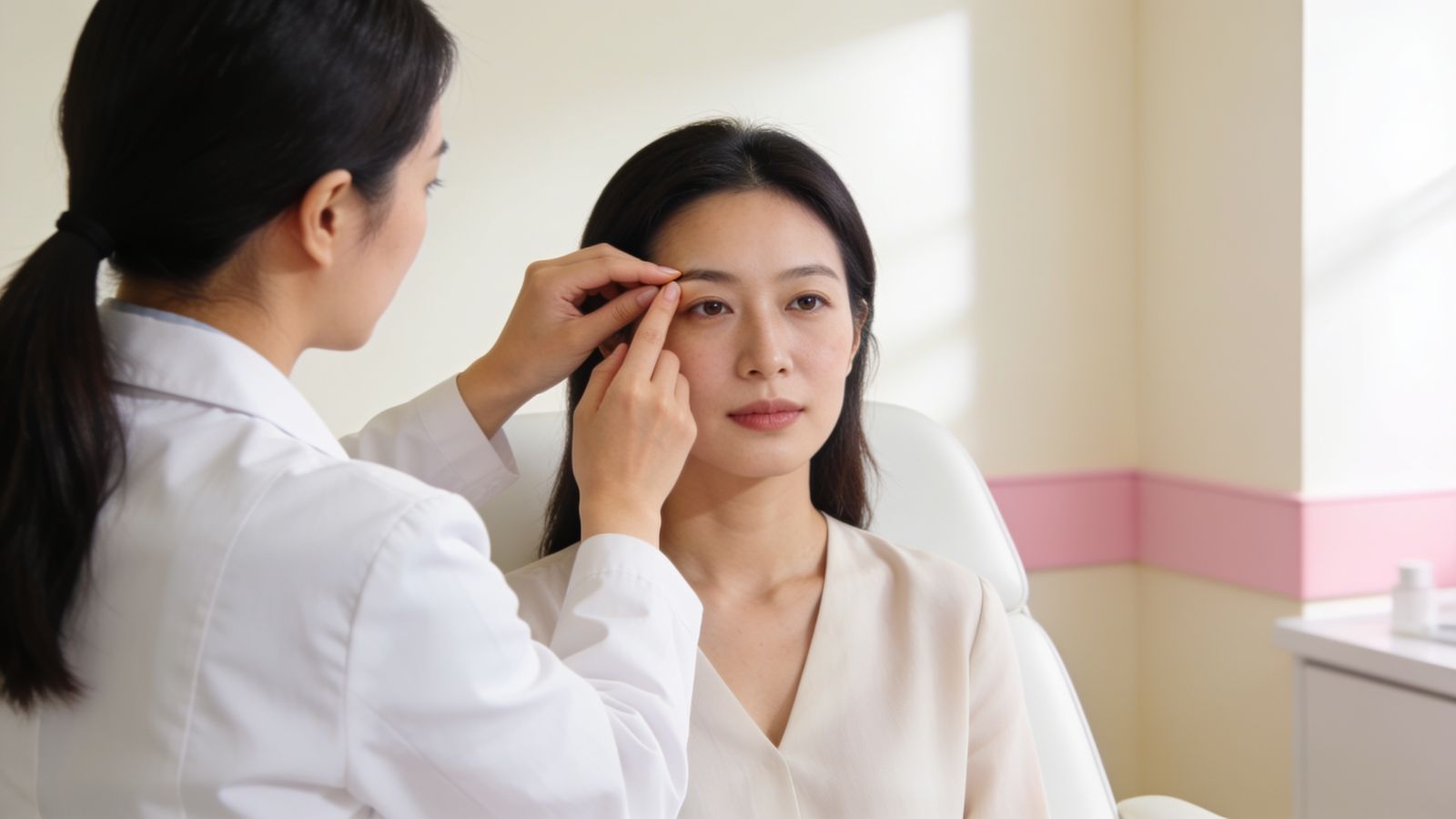
Other areas

Face, scalp and feet: what is different?

Craniofacial hyperhidrosis, sweating from the forehead, scalp and face, is often triggered by heat, spicy food or embarrassment. Antiperspirants can be used on the forehead with care, and forehead injections are possible, but they must be placed to avoid weakening the muscles that lift the brows. Sweating on eating, especially on one side of the face after salivary gland surgery, is a separate condition called gustatory sweating and is assessed differently.

Sweaty feet often come with odour, fungal infection and pitted keratolysis, a bacterial infection of the soles that causes small craters and a strong smell. Treating the infection, wearing breathable socks and alternating shoes helps alongside antiperspirants or iontophoresis. Injections into the soles are uncomfortable and are used less often.

At IN Eternity Clinic

Starting with the right diagnosis

Dr Sin Yong starts by asking whether your sweating fits primary hyperhidrosis, and checks for features of a secondary cause. He then looks at which areas matter most to you, what you have already tried, and how sweating affects your work and daily life. For underarm sweating that has not responded to antiperspirants, mapped injections are often the next step. For hands, feet or widespread sweating, the options are discussed honestly, including which he provides and where referral makes more sense.

Injections need repeating when sweating returns, typically after several months, and many people time them before the hottest or busiest part of their year. Keeping a simple diary of when and where you sweat for a week or two before the appointment helps match treatment to what affects you most. The consultation fee is waived with any medical treatment. See how we consult.

Myths and facts

Common myths, answered

Questions

Frequently asked questions

What is the treatment for hyperhidrosis in Singapore?

Treatment depends on the area and severity. Most people start with an aluminium chloride antiperspirant. Hands and feet may respond to tap-water iontophoresis. Underarm sweating that persists is often treated with injections that block the nerve signal to sweat glands, lasting several months. Oral medicines, microwave devices and surgery are options for selected cases.

Is hyperhidrosis a medical condition?

Yes. Primary focal hyperhidrosis is a recognised medical condition in which normal sweat glands receive excessive nerve signals. It often runs in families and starts in childhood or the teens. Sweating that is generalised, happens at night or starts suddenly in adulthood may have another cause and needs a medical review.

How long do injections for underarm sweating last?

The effect usually begins within a few days, is established by about two weeks and typically lasts several months, varying between people. Sweating returns gradually rather than suddenly. Many people repeat treatment when they notice it returning, often before a hot season, travel or a demanding period at work.

Can sweaty palms be treated?

Yes. Antiperspirants and tap-water iontophoresis are usually tried first. Injections into the palms can help but are more uncomfortable and can cause temporary weakness of the small hand muscles. Oral medicines are another option. Surgery is reserved for severe cases because of the risk of compensatory sweating. Dr Sin Yong discusses which route suits you.

Does IN Eternity Clinic offer miraDry?

No. IN Eternity Clinic treats underarm hyperhidrosis with mapped injections. Microwave thermolysis is a valid option for some people who want a longer-lasting reduction and accept a longer recovery. Dr Sin Yong can explain how the two compare for your situation and refer you if a device-based treatment suits you better.

How much does hyperhidrosis treatment cost?

Cost depends on the area treated, the size of the sweating zone found on mapping, the treatment chosen and how often it needs repeating. Underarm injections are a different plan from treating the palms or taking oral medicine. The plan and its cost are set out after assessment. The consultation fee is waived with any medical treatment.

Will sweating come back after treatment?

With antiperspirants, iontophoresis, injections and oral medicines, yes, once treatment stops or wears off, so these are maintained over time. Microwave thermolysis and surgery aim for a long-lasting effect but carry more side effects and longer recovery. Choosing between them is a balance of convenience, recovery and risk.

Related at IN Eternity Clinic
Underarm sweating treatmentUnderarm pigmentationDark underarmsLaser hair removalUnderarm laser hair removalHow we consult

Book an assessment

IN Eternity Clinic, 9 Scotts Road, #12-01 Pacific Plaza, Singapore 228210. By appointment with Medical Director Dr Sin Yong. Monday to Saturday, 11am to 8pm. WhatsApp or call +65 8815 3008.

WhatsApp to Enquire →Call +65 8815 3008
S
Dr Sin Yong
MBBS (NUS) · MRCS (Edinburgh) · MSc Aesthetic Medicine (London) · MSc Practical Dermatology (Cardiff)
International KOL — CLASSYS · HIRONIC · DEKA · ALMA · FOTONA · LUTRONIC

References

  1. Hornberger J, Grimes K, Naumann M, et al. Recognition, diagnosis, and treatment of primary focal hyperhidrosis. J Am Acad Dermatol 2004;51(2):274-286. doi:10.1016/j.jaad.2003.12.029
  2. Lowe NJ, Glaser DA, Eadie N, et al. Botulinum toxin type A in the treatment of primary axillary hyperhidrosis: a 52-week multicenter double-blind, randomized, placebo-controlled study of efficacy and safety. J Am Acad Dermatol 2007;56(4):604-611. doi:10.1016/j.jaad.2007.01.009
  3. Hong HC, Lupin M, O'Shaughnessy KF. Clinical evaluation of a microwave device for treating axillary hyperhidrosis. Dermatol Surg 2012;38(5):728-735. doi:10.1111/j.1524-4725.2012.02375.x
  4. Singapore Medical Council. Guidelines on Aesthetic Practices for Doctors (2016 edition). healthprofessionals.gov.sg/smc
  5. Health Sciences Authority, Singapore. Infosearch — registered medical devices and health products. hsa.gov.sg

These sources describe mechanisms and general evidence. They are not a promise of any individual result; suitability is decided at an in-person assessment.

WhatsApp us