Skip to content
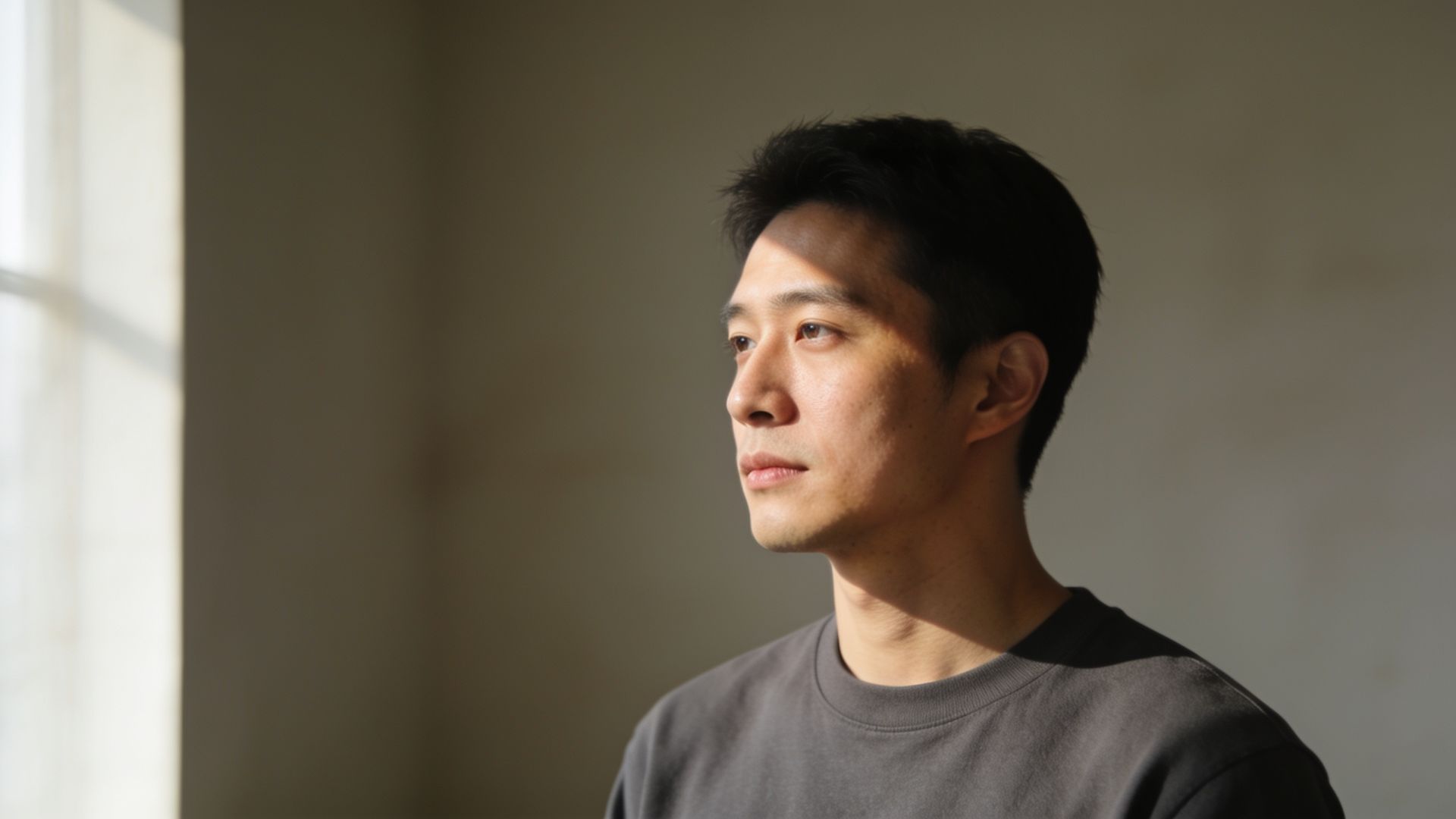
Man with smooth cheek skin in side light, representing acne scar laser treatment
Acne Scar Laser · Fractional CO2 · Pico · DEKA Centre of Excellence · Orchard Road

Acne Scar Laser Singapore

The scar type chooses the laser.

Fractional CO2, picosecond and non-ablative lasers each reach a different part of an acne scar. At IN Eternity Clinic, a designated DEKA Centre of Excellence on Orchard Road, Dr Sin Yong maps your scar types before choosing one.

WhatsApp to Enquire →Key facts ↓
CO2
DEKA SmartXide Tetra PRO
Pico
DEKA TORO, Fotona StarWalker
Mapped
Scar types first
Course
Weeks apart
Assessed and treated by Dr Sin Yong, Medical Director · MBBS (NUS) · MRCS (Edinburgh) · MSc Aesthetic Medicine (London) · MSc Practical Dermatology (Cardiff) · Designated DEKA Centre of Excellence

Acne scar lasers remodel scar tissue through controlled injury that prompts new collagen. Fractional CO2 suits boxcar scars and scar edges, picosecond lasers suit shallow texture and brown marks, and non-ablative lasers suit mild texture with less recovery. Rolling scars usually need subcision first, and ice-pick scars TCA CROSS, because lasers alone reach them poorly.

Key facts
  • Fractional CO2: vaporises microscopic columns of skin so the dermis rebuilds as it heals. At IN Eternity Clinic it runs on the DEKA SmartXide Tetra PRO, with SCAR3 point-shots into individual pits before a fractional pass.
  • Picosecond laser: very short pulses create pressure-wave injury with little heat. Used for shallow texture and brown post-acne marks on DEKA TORO and Fotona StarWalker.
  • Non-ablative options: heat columns beneath an intact surface for mild texture and pores, such as the 1540 nm laser on CLASSYS Secret Duo and the FSX Laser protocol.
  • Which scars respond: boxcar scars and scar edges to CO2; ice-pick scars to TCA CROSS with point-shots; rolling scars to subcision, then laser or RF microneedling.
  • Asian skin: post-inflammatory hyperpigmentation and lingering redness are the main risks, so density, energy, spacing and aftercare are chosen with them in mind.
  • Where: IN Eternity Clinic, 9 Scotts Road, #12-01 Pacific Plaza, Singapore — a designated DEKA Centre of Excellence.
Reviewed by Dr Sin Yong, Medical Director, IN Eternity Clinic · Last updated
Scar types

Which acne scars respond to laser?

Acne scars are not one thing. Depressed scars come in three main shapes, and each sits at a different depth with a different cause. That is why the first step is naming the scars, not choosing the laser:

Scar typeWhat it looks likeRole of laserOften needed first or as well
BoxcarRound or oval dip with steep edgesMain tool: CO2 softens edges and lifts shallow floorsRF microneedling for deeper ones
Ice-pickNarrow, deep pinholeLimited: point-shots after the scar is narrowedTCA CROSS inside each scar
RollingBroad, soft waves in side lightRefines the surface once releasedSubcision to cut tethering bands
Flat brown marksPigment, no dipPicosecond or toning laserSun protection

Most faces show two or three of these together, often with enlarged pores. Raised scars are a separate group and are flattened rather than resurfaced. The full range of tools, including subcision, TCA CROSS and collagen stimulation, is set out on acne scar treatment.

Woman in a consultation discussing acne scar laser options
Illustrative image. Not a patient of IN Eternity Clinic.
The lasers

CO2, pico or non-ablative: how do they differ?

Fractional CO2. The CO2 wavelength is absorbed by water in the skin, so each microscopic beam vaporises a narrow column of tissue and heats a thin collar around it. The untreated skin between columns speeds healing, and the wound response lays down new collagen over the following months. On the DEKA Tetra PRO SCAR3 protocol, single deeper point-shots go into individual scar pits before a lighter fractional pass covers the surrounding skin, so depth can differ between the scar and the skin around it. Studies in Asian patients have shown fractional CO2 improves atrophic acne scars, with redness and pigment changes as the trade-offs to plan for.

Picosecond laser. Pulses lasting trillionths of a second create tiny zones of pressure injury with little heat, sometimes beneath an intact surface when a fractional optic is used. That suits shallow, rolling texture and brown marks, with shorter recovery and lower pigment risk, but it does not reach deep boxcar or ice-pick scars in the same way. See pico laser for acne scars.

Non-ablative fractional lasers. These heat columns of dermis without removing the surface. They suit mild texture and pores, or people who cannot take time off, and usually need more sessions for a smaller change. RF microneedling is not a laser, but it sits in the same middle ground and is often used alongside; compare them in CO2 vs RF microneedling vs pico.

“I choose the laser after I have named the scars. A rolling scar held down from below will not rise because the surface was resurfaced.”
— Dr Sin Yong, Medical Director, IN Eternity Clinic
Comfort

Does it hurt? Comfort and numbing

For fractional CO2, numbing cream is applied for 45 to 60 minutes, and a cooling air flow is used during the passes. Most people feel heat and a series of sharp snaps, more intense over bone and with the deeper point-shots; the face feels sunburnt and tight for several hours afterwards. Settings are adjusted area by area and breaks are taken when needed.

Picosecond and non-ablative sessions are milder: quick snapping or prickling with warmth, often manageable with a shorter numbing time or none. If subcision is part of the same plan, local anaesthetic is used for that step.

Stones from textured to smooth, representing gradual acne scar remodelling
Illustrative image. Not a patient of IN Eternity Clinic.
Timeline

What to expect: day by day

Day 0. After fractional CO2, the skin is red, swollen and feels hot; a gentle ointment is applied and you go home with written aftercare. After picosecond or non-ablative laser, expect redness for a few hours.

Days 1–3. After CO2, fine crusting and a bronzed, rough look develop as the treated columns heal; swelling is most visible in the mornings. Cleanse gently, keep the skin moisturised and do not pick.

Week 1. Crusts usually shed by about day five to seven, leaving pink new skin. Make-up can generally resume once the surface has closed. Sun protection is strict.

Weeks 2–4. Pinkness fades gradually, sometimes over several weeks. Any darkening is reported early so it can be treated before it settles in.

Review at six to eight weeks. Scars are compared with baseline photographs in the same lighting, and the next session is planned. Collagen remodelling continues for months after each session.

Planning

How many sessions, and what is realistic?

Most people need a course of several sessions spaced six to eight weeks apart, often mixing laser with subcision, TCA CROSS or RF microneedling. The aim is a smoother, less shadowed surface; scar tissue is remodelled, not erased, and how far each scar changes varies with its type, depth and your healing. Active acne is brought under control first so new scars are not forming during the course, and the timing around isotretinoin, a prescription medicine, follows the current guidance. For Asian skin, sun protection starts before the first session and continues after the last.

Myths and facts

Common myths, answered

Questions

Frequently asked questions

Which laser is used for acne scars at IN Eternity Clinic?

For depressed scars, fractional CO2 on the DEKA SmartXide Tetra PRO is the main resurfacing laser, with point-shots into individual pits. Picosecond lasers on DEKA TORO and Fotona StarWalker are used for shallow texture and brown marks, and non-ablative options for mild texture. The choice depends on your scar types and skin.

Should I choose CO2 or pico for acne scars?

It depends on the scars. Fractional CO2 reaches deeper boxcar scars and scar edges, with about a week of healing. Picosecond laser suits shallow texture and marks, with less recovery, but does less for deeper scars. Many plans use both at different stages, and some scars need subcision or TCA CROSS first.

How long is the downtime after CO2 laser for acne scars?

Expect about five to seven days of redness, swelling and fine crusting while the skin heals, followed by pinkness that fades over several weeks. Most people plan a quiet week. Picosecond and non-ablative lasers usually involve only a day or two of redness. Your schedule is taken into account when planning.

How many acne scar laser sessions will I need?

Most people need several sessions spaced six to eight weeks apart, because collagen rebuilds slowly and each session adds to the last. The number depends on scar depth, type and skin, and whether subcision or TCA CROSS is combined. Dr Sin Yong gives an estimate after mapping your scars and reviews it at each visit.

Is acne scar laser suitable for darker or Asian skin?

Yes, with careful planning. The main risks are post-inflammatory hyperpigmentation and lingering redness, so density and energy are chosen for your skin type, the skin may be prepared beforehand, and sun protection is strict. For some skin, RF microneedling or picosecond laser is weighted more heavily than CO2.

How much does acne scar laser cost in Singapore?

Cost depends on which lasers suit your scars, the size of the area, whether subcision or TCA CROSS is combined, and how many sessions the plan needs. A figure quoted before the scars are mapped would not reflect your case. The full plan and cost are explained at consultation, and the consultation fee is waived with any medical treatment.

Related at IN Eternity Clinic
Acne scar treatmentDEKA Tetra PRO SCAR3SubcisionRF microneedling4D Scar ReconstructionCO2 vs RF microneedling vs pico

Book an assessment

IN Eternity Clinic, 9 Scotts Road, #12-01 Pacific Plaza, Singapore 228210. By appointment with Medical Director Dr Sin Yong. Monday to Saturday, 11am to 8pm. WhatsApp or call +65 8815 3008.

WhatsApp to Enquire →Call +65 8815 3008
S
Dr Sin Yong
MBBS (NUS) · MRCS (Edinburgh) · MSc Aesthetic Medicine (London) · MSc Practical Dermatology (Cardiff)
International KOL — CLASSYS · HIRONIC · DEKA · ALMA · FOTONA · LUTRONIC

References

  1. Jacob CI, Dover JS, Kaminer MS. Acne scarring: a classification system and review of treatment options. J Am Acad Dermatol 2001;45(1):109-117. doi:10.1067/mjd.2001.113451
  2. Manuskiatti W, Iamphonrat T, Wanitphakdeedecha R, Eimpunth S. Comparison of fractional erbium-doped yttrium aluminum garnet and carbon dioxide lasers in resurfacing of atrophic acne scars in Asians. Dermatol Surg 2013;39(1 Pt 1):111-120. doi:10.1111/dsu.12030
  3. Brauer JA, Kazlouskaya V, Alabdulrazzaq H, et al. Use of a picosecond pulse duration laser with specialized optic for treatment of facial acne scarring. JAMA Dermatol 2015;151(3):278-284. doi:10.1001/jamadermatol.2014.3045
  4. Kravvas G, Al-Niaimi F. A systematic review of treatments for acne scarring. Part 2: Energy-based techniques. Scars Burn Heal 2018;4:2059513118793420. doi:10.1177/2059513118793420
  5. Davis EC, Callender VD. Postinflammatory hyperpigmentation: a review of the epidemiology, clinical features, and treatment options in skin of color. J Clin Aesthet Dermatol 2010;3(7):20-31. PMID 20725554

These sources describe mechanisms and general evidence. They are not a promise of any individual result; suitability is decided at an in-person assessment.

WhatsApp us