Skip to content
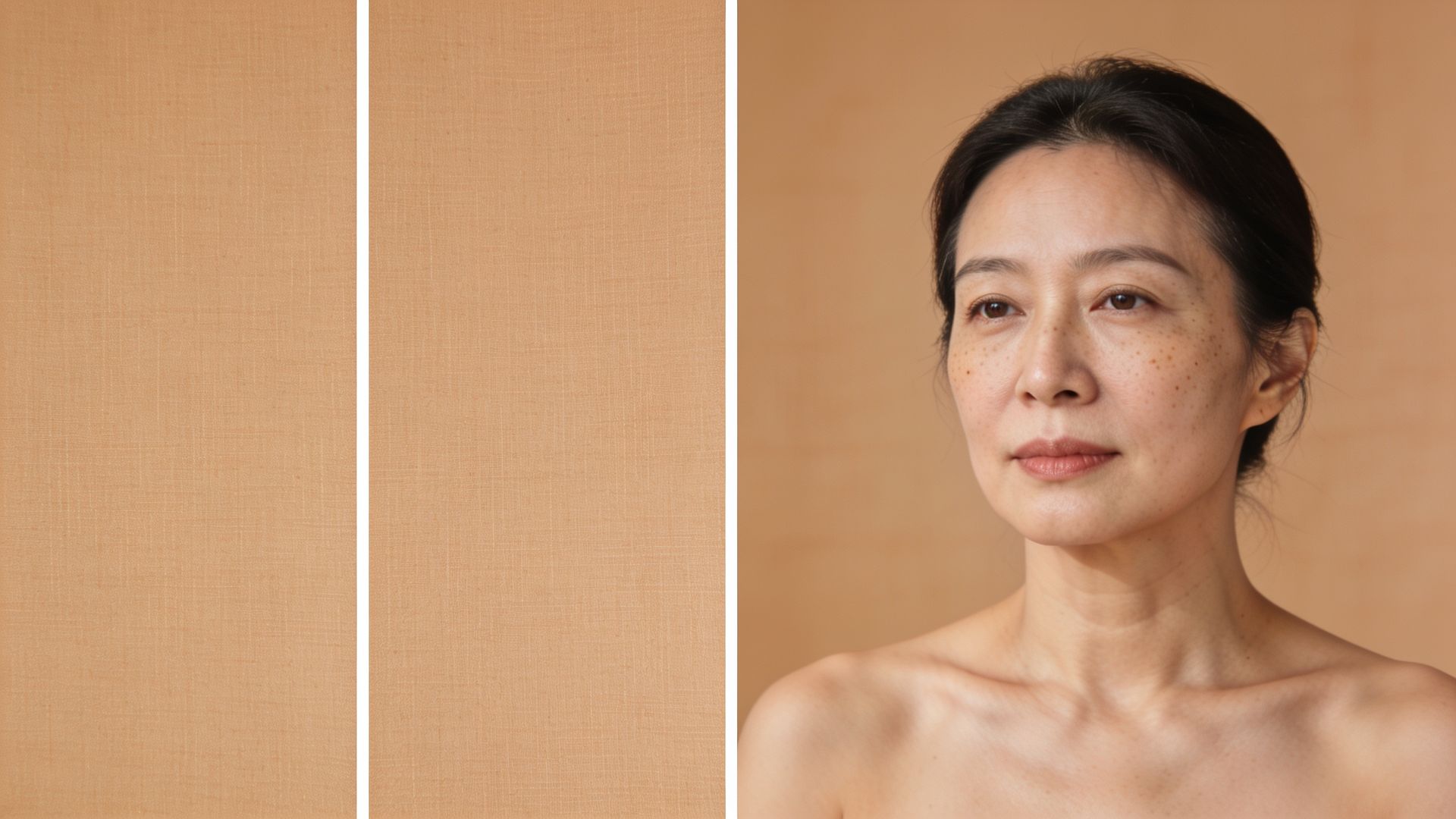
East Asian woman with soft freckles in shaded daylight
Pigmentation · Topical vs In-Clinic · Melasma · Sun Spots · Hori’s Macules

When Pigmentation Creams Stop Working

Usually a diagnosis problem, sometimes a depth problem.

Brightening creams help many people, then seem to stop. Dr Sin Yong at IN Eternity Clinic on Orchard Road explains the usual reasons, and when moving to in-clinic treatment is worth it.

WhatsApp to Enquire →Key facts ↓
Epidermal
Pigment creams can reach
Dermal
Pigment creams cannot
Triggers
Sun, heat, hormones
Diagnosis
Decides the next step
Assessed and treated by Dr Sin Yong, Medical Director · MBBS (NUS) · MRCS (Edinburgh) · MSc Aesthetic Medicine (London) · MSc Practical Dermatology (Cardiff) · Designated DEKA Centre of Excellence

Pigmentation creams usually stop working for one of four reasons: the pigment is a type creams cannot reach, such as deeper dermal pigment; the trigger, often sun, visible light, heat or hormones, is still active; the cream is irritating the skin and causing new marks; or the diagnosis is wrong. A proper diagnosis decides the next step.

Key facts
  • Depth matters: creams act mainly on pigment production in the epidermis; pigment sitting in the dermis is largely beyond their reach.
  • Different pigment, different answer: melasma, sun spots, freckles, post-inflammatory marks and Hori’s macules look similar but respond differently.
  • Ongoing triggers: ultraviolet and visible light, heat, and hormonal changes keep stimulating pigment cells, so creams fall behind.
  • Irritation backfires: strong actives that cause redness and peeling can trigger post-inflammatory hyperpigmentation, especially in Asian skin.
  • Hydroquinone: in Singapore it is not permitted in cosmetics and is used as a prescription medicine; long, unsupervised use carries a risk of exogenous ochronosis.
  • Unregistered creams: HSA has repeatedly warned about creams found to contain undeclared mercury, hydroquinone or steroids.
  • In-clinic options: pigment lasers such as picosecond and Q-switched Nd:YAG, prescription topical regimens, and oral medicine where appropriate.
  • Creams still matter: even after lasers, topical care and sun protection are what keep pigment from returning.
Reviewed by Dr Sin Yong, Medical Director, IN Eternity Clinic · Last updated
The plateau

Why creams seem to stop working

Most people start with a brightening serum or cream, see some improvement, and then find progress stalls or the patches return. That is not usually because the skin has become resistant to the ingredient. It is because the cream has done what it can, and what remains is pigment it cannot reach, or pigment that is being produced as fast as the cream suppresses it.

The common reasons fall into four groups: the type and depth of pigment, ongoing triggers, irritation from the products themselves, and a diagnosis that was never quite right. Working out which applies to you is the step that changes the outcome.

Woman in a wide-brimmed hat sitting in the shade
Illustrative image. Not a patient of IN Eternity Clinic.
Depth

What creams can and cannot reach

Pigment can sit in the epidermis, the dermis or both. Most brightening ingredients, including niacinamide, azelaic acid, vitamin C, tranexamic acid serums, arbutin and prescription hydroquinone, act mainly on pigment production in the epidermis. They slow melanocytes down or block the transfer of pigment to skin cells. They do little for pigment that has already dropped into the dermis, where it is held by cells called melanophages.

Some conditions are mainly dermal. Hori’s macules, also called acquired bilateral naevus of Ota-like macules, appear as grey-brown patches on the cheeks and are common in East Asian skin; they are often mistaken for melasma and do not respond to creams. Long-standing melasma often has a dermal component. Old post-inflammatory marks can also sit deeper. For dermal pigment, lasers that fragment the pigment are usually needed.

“When a pigment cream stops working, people reach for a stronger cream. Usually the answer is a better diagnosis.”
— Dr Sin Yong, Medical Director, IN Eternity Clinic
Triggers

Pigment you keep making

Creams work against a moving target if the triggers continue. Ultraviolet light stimulates pigment cells; visible light, including strong daylight, does too, particularly in darker skin. Heat from cooking, hot yoga and the Singapore climate is a recognised trigger for melasma. Hormonal changes, from pregnancy, oral contraceptives or other hormone treatments, play a major part in melasma.

This is why sun protection is not an optional extra. A broad-spectrum sunscreen applied generously and reapplied, ideally a tinted one containing iron oxides for visible-light protection, plus a hat and shade, is the base on which every other treatment rests. Without it, creams and lasers both lose ground.

Plain skincare tubes and jar on a stone shelf
Illustrative image. Not a patient of IN Eternity Clinic.
Irritation

When the treatment causes the marks

Stronger is not always better. High-strength acids, retinoids, scrubs and combinations of several actives at once can irritate the skin. In Asian skin, irritation itself can trigger post-inflammatory hyperpigmentation, so the cream that was meant to lighten patches ends up adding new ones. Redness, stinging, flaking and a rough texture are signs the routine is too aggressive.

Unregistered creams are a bigger concern. Products bought online or abroad with dramatic lightening claims have, on testing, been found to contain mercury, hydroquinone or potent steroids. HSA has issued repeated warnings about such products. Mercury can be absorbed and cause kidney and nerve damage; steroid creams can thin the skin, cause acne and redness, and lead to rebound when stopped. Hydroquinone used for long periods without supervision can cause exogenous ochronosis, a blue-grey darkening that is hard to treat.

Side by side

Topical treatment vs in-clinic treatment

Topical (creams, serums)In-clinic
Acts onPigment production in the epidermisEpidermal and dermal pigment
SuitsMild melasma, early marks, maintenanceSun spots, Hori’s macules, stubborn melasma, deeper marks
SpeedGradual, over monthsGradual, over sessions
Main riskIrritation; unregistered productsRebound darkening or lightening if over-treated
Long-term roleEssential for maintenanceClearance, then maintenance
Which suits whom

When to move to in-clinic treatment

Consider a medical assessment if you have used a sensible routine with daily sunscreen for three months without real change; if patches are grey, blue-grey or slate-coloured; if pigment appeared suddenly, is changing, or is a single irregular spot; if creams sting or cause redness; or if you have been using a product of uncertain origin.

In-clinic options depend on the diagnosis. Discrete sun spots and freckles often respond to picosecond or Q-switched lasers. Hori’s macules need a series of pigment-laser sessions. Melasma is managed with conservative laser toning alongside prescription topicals and, for some people, an oral medicine such as tranexamic acid, a prescription medicine used after screening. Post-inflammatory marks often fade with gentle care and time, sometimes helped by toning.

Diagnosis

What a pigment assessment involves

At IN Eternity Clinic, the assessment starts with a history: when the pigment appeared, whether it changes with sun, pregnancy or medication, what has been used on it and for how long, and whether anything has caused stinging or redness. Bring the products you use, or photographs of their labels; the ingredient list often explains a plateau or a flare.

The skin is then examined in good light and under magnification. Colour gives clues: brown suggests pigment in the epidermis, while grey or blue-grey suggests a dermal component. The pattern helps too: melasma tends to be symmetrical and blurry-edged, sun spots are discrete, Hori’s macules are speckled grey-brown on the cheeks, and post-inflammatory marks follow old spots or injuries. Many faces show two or three types together, and each part of the plan is matched to the type it is meant to treat.

The plan

How creams and clinic work together

In-clinic treatment does not replace topical care; it changes its role. Before laser, a few weeks of a suitable topical regimen and strict sun protection can calm pigment cells and reduce rebound risk. During a laser course, the routine is kept gentle. Afterwards, a maintenance routine is what keeps the result.

Any spot that is new, growing, changing in colour or shape, bleeding or itching should be examined before it is treated as pigmentation. A dermatoscope helps distinguish harmless pigment from lesions that need a closer look, and lasering a lesion that should have been examined is a mistake that cannot be undone.

Myths and facts

Common myths, answered

Questions

Frequently asked questions

Why has my pigmentation cream stopped working?

Common reasons are that the remaining pigment sits too deep for creams to reach, triggers such as sun, heat or hormones are still active, the routine is irritating the skin and causing new marks, or the pigment is a different type from what you assumed. A medical assessment identifies which applies.

Can creams remove Hori’s macules?

Usually not. Hori’s macules sit in the dermis, below the level most brightening ingredients act on. They are typically treated with a series of pigment-laser sessions spaced well apart, with topical care and sun protection to support the result. Temporary darkening after sessions is common and is planned for.

Is hydroquinone safe?

Hydroquinone is an effective prescription medicine when used at an appropriate strength for a limited period under a doctor’s supervision. Long, unsupervised use, especially of high strengths or unregistered products, can cause irritation and exogenous ochronosis, a blue-grey darkening that is difficult to treat. In Singapore it is not permitted in cosmetic products and is supplied on prescription.

How do I know if a lightening cream is safe?

Buy from reputable sources, check the full ingredient list, and be cautious of products promising rapid or dramatic whitening, unlabelled jars, or creams bought abroad or online. HSA publishes warnings about products found to contain mercury, hydroquinone or steroids. If in doubt, stop and show it to a doctor.

Is laser better than cream for pigmentation?

They do different jobs. Lasers can break up pigment, including deeper pigment, that creams cannot reach. Creams control pigment production and maintain results. Most plans that work well use both, with sun protection, and the balance depends on the diagnosis and how your skin responds over the first few months.

How much does in-clinic pigmentation treatment cost?

It depends on the type of pigment, the area, the laser or treatment chosen, the number of sessions, and any prescription topical or oral medicine. A written estimate is given after assessment so you can see the whole plan, including maintenance, before deciding.

Can pigmentation come back after laser?

Yes, particularly melasma and sun-induced pigment, if triggers continue. Daily sun protection, a maintenance skincare routine and occasional maintenance sessions help keep it under control. Melasma in particular is a chronic condition that is managed rather than cured, so a plan for the sunny months and for holidays is part of the conversation.
Related at IN Eternity Clinic
PigmentationPico laser for pigmentationMelasma treatmentSun spotsPost-inflammatory pigmentationMelasma: laser vs tranexamic acid vs skincare

Book an assessment

IN Eternity Clinic, 9 Scotts Road, #12-01 Pacific Plaza, Singapore 228210. By appointment with Medical Director Dr Sin Yong. Monday to Saturday, 11am to 8pm. WhatsApp or call +65 8815 3008.

WhatsApp to Enquire →Call +65 8815 3008
S
Dr Sin Yong
MBBS (NUS) · MRCS (Edinburgh) · MSc Aesthetic Medicine (London) · MSc Practical Dermatology (Cardiff)
International KOL — CLASSYS · HIRONIC · DEKA · ALMA · FOTONA · LUTRONIC

References

  1. Sheth VM, Pandya AG. Melasma: a comprehensive update: part I. J Am Acad Dermatol 2011;65(4):689-697. doi:10.1016/j.jaad.2010.12.046
  2. Davis EC, Callender VD. Postinflammatory hyperpigmentation: a review of the epidemiology, clinical features, and treatment options in skin of color. J Clin Aesthet Dermatol 2010;3(7):20-31. PMID 20725554
  3. Levitt J. The safety of hydroquinone: a dermatologist's response to the 2006 Federal Register. J Am Acad Dermatol 2007;57(5):854-872. doi:10.1016/j.jaad.2007.02.020
  4. Kasai K. Picosecond Laser Treatment for Tattoos and Benign Cutaneous Pigmented Lesions (Secondary publication). Laser Ther 2017;26(4):274-281. doi:10.5978/islsm.17-RE-02
  5. Health Sciences Authority, Singapore. Infosearch — registered medical devices and health products. hsa.gov.sg

These sources describe mechanisms and general evidence. They are not a promise of any individual result; suitability is decided at an in-person assessment.

WhatsApp us